
Can You Add an Elevator to an Existing Home?
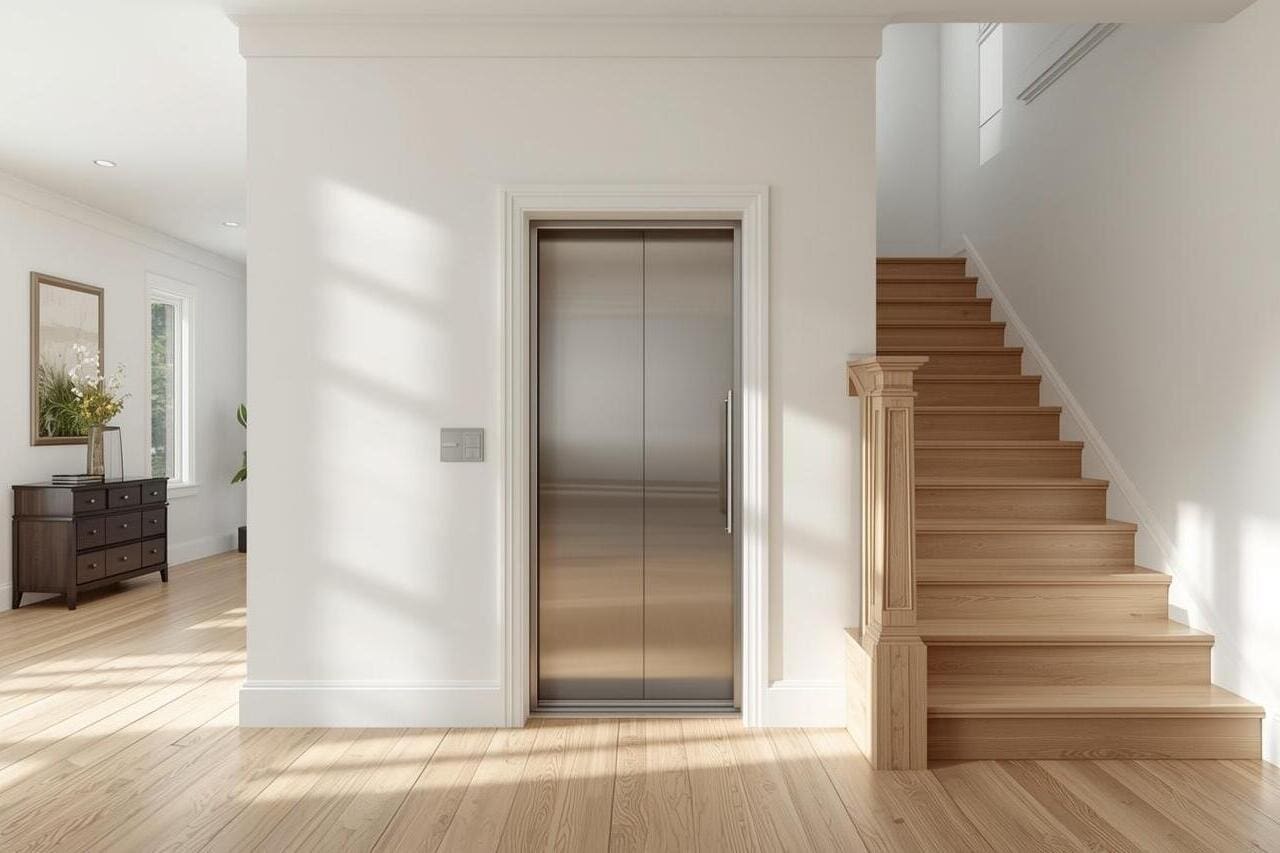
If you love your home but stairs are becoming a challenge, you may be wondering: Can you add an elevator to an existing home? The answer is yes. In most cases, a residential elevator can be retrofitted into an existing house with the right planning, design, and professional installation.
Many homeowners in Bluffton, Beaufort, Savannah, Hilton Head, and Charleston assume elevators are only for new construction or luxury estates. In reality, modern residential elevator systems are specifically designed for retrofit applications. Whether you are planning to age in place, improve accessibility, or increase your property value, adding an elevator to an existing home is more common and achievable than ever.
This guide explains how retrofit elevator installation works, what space is required, structural considerations, and what to expect during the process.
Is Your Home Suitable for a Retrofit Elevator?
Most multi-level homes can accommodate a residential elevator, but the exact solution depends on layout and structure.
An experienced team that specializes in Installations will evaluate:
- Available vertical space between floors
- Ceiling height and floor thickness
- Potential shaft locations
- Electrical capacity
- Load-bearing framing
Even homes throughout Charleston’s historic districts, Hilton Head’s luxury communities, and older properties in Savannah often have creative placement options.
Where Can an Elevator Be Installed in an Existing Home?
One of the biggest concerns homeowners have is space. Fortunately, residential elevators do not require massive footprints.
Common retrofit locations include:
Stacked Closets
This is one of the most popular solutions. Closets directly above one another can often be converted into an elevator shaft with minimal disruption to the rest of the home.
Corner of a Room
In some layouts, a small corner of a living room, hallway, or bedroom can accommodate a compact elevator system.
Near the Staircase
Installing an elevator near the main stairwell keeps vertical circulation centralized and efficient.
Exterior Shaft
If interior space is limited, an exterior shaft can be built along the outside wall of the home. This approach is especially helpful for elevated coastal homes in Hilton Head, Bluffton, and Beaufort, where flood requirements may influence design.
Each home is unique, which is why a professional assessment is essential before moving forward.
What Type of Elevator Works Best for Existing Homes?
Not all elevators are equal when it comes to retrofits. Some systems are better suited to tight spaces and minimal structural changes.
Common residential elevator options include:
Hydraulic Elevators
Hydraulic systems provide smooth operation and strong lifting power. They are reliable and quiet, making them a popular choice for retrofit projects.
Winding Drum Elevators
Winding drum elevators often require less space and can be ideal for existing homes with tighter shaft conditions.
Machine Room Less Elevators
Some modern systems eliminate the need for a separate machine room, saving space and simplifying installation.
A consultation can help determine which residential elevator system fits your structure and long-term goals.
Structural Considerations for Retrofit Elevator Installation
Adding an elevator to an existing home involves more than simply placing equipment between floors. Structural adjustments are typically required.
These may include:
- Framing a vertical shaft
- Creating a pit at the lowest level
- Reinforcing floor openings
- Adding electrical circuits
- Adjusting walls or doorways
While this sounds complex, experienced installation teams handle this regularly and can often complete work with less disruption than homeowners expect.
How Long Does It Take to Add an Elevator to an Existing Home?
Retrofit projects vary depending on complexity. On average, you can expect:
- Initial consultation and planning
- Engineering and permits
- Construction and shaft preparation
- Elevator installation and testing
Most residential retrofit elevator projects take several weeks from start to finish. A detailed project plan will outline timelines clearly so there are no surprises.
How Much Does It Cost to Add an Elevator to an Existing Home?
Costs vary based on:
- Number of floors served
- Type of elevator system
- Structural modifications required
- Interior finishes and customization
Retrofit installations can sometimes cost more than new construction because of structural adjustments. However, many homeowners in Savannah, Charleston, and Bluffton find the investment worthwhile compared to moving or remodeling the entire home.
If budget is a concern, discussing options early in the planning phase helps tailor the system to your needs.
Does Adding an Elevator Increase Home Value?
Yes. A residential elevator can significantly increase property appeal, especially for buyers interested in aging in place or multi-generational living.
Benefits include:
- Improved accessibility
- Enhanced luxury appeal
- Long-term livability
- Broader buyer pool
In competitive coastal markets like Hilton Head and Charleston, accessibility features often differentiate a property.
What About Maintenance After Installation?
Once your elevator is installed, ongoing Maintenance is critical for safety and longevity.
Routine service helps:
- Prevent mechanical wear
- Ensure smooth leveling
- Test safety features
- Extend the lifespan of your system
If an issue arises, prompt Repairs & Service ensures minimal downtime and safe operation.
When Should You Consider Modernizing Instead of Retrofitting?
If your home already has an older lift system, you may not need a full replacement. Modernizations can upgrade:
- Controls and electronics
- Safety systems
- Interior finishes
- Energy efficiency
Modernizing an outdated system can often deliver similar benefits at a lower cost than complete replacement.
Is Adding an Elevator Worth It?
If you plan to stay in your home long term, want to reduce stair-related risks, or need improved accessibility, adding an elevator to an existing home is often one of the most practical upgrades you can make.
It allows you to:
- Age in place safely
- Support family members with mobility challenges
- Avoid relocating
- Improve daily convenience
- Increase resale value
With proper planning and professional installation, a retrofit elevator can blend seamlessly into your home’s design.
Ready to Explore Your Options?
If you are considering adding an elevator to your existing home in Bluffton, Beaufort, Savannah, Hilton Head, or Charleston, the first step is a professional evaluation. An experienced team can assess your layout, recommend the best residential elevator system, and guide you through Installations, Maintenance, Repairs & Service, and future Modernizations.
A retrofit elevator is no longer a rare luxury. It is a practical solution that makes your home safer, more comfortable, and future-ready.