
Planning for an Elevator in New Construction Even If You Don’t Need One Yet
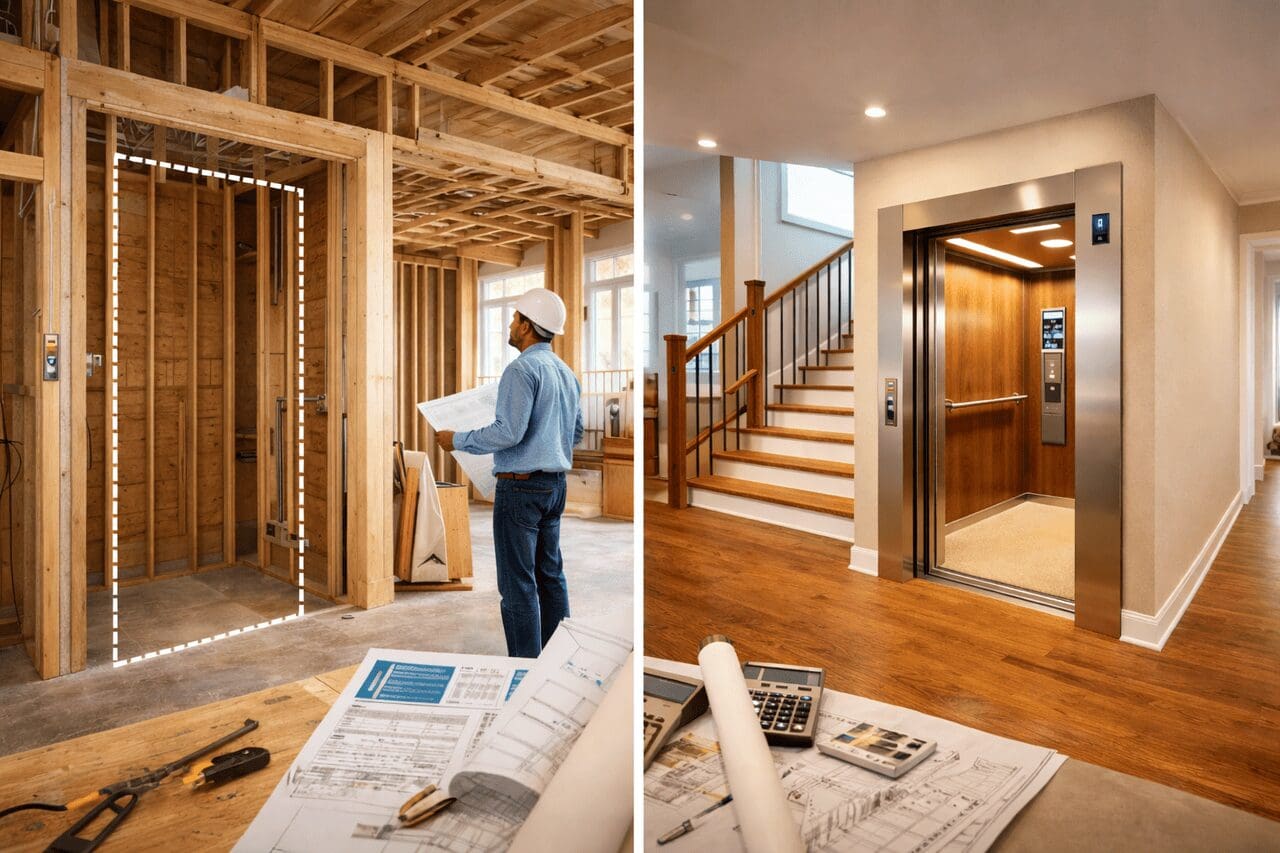
If you are building a new home, adding a residential elevator may not be at the top of your list right now. But planning for one during construction, even if you do not install it immediately, can save significant time, money, and disruption in the future.
Homeowners in Bluffton, Beaufort, Savannah, Hilton Head, and Charleston are increasingly designing homes with future accessibility in mind. Whether for aging in place, resale value, or long-term flexibility, pre-planning for an elevator is one of the smartest decisions you can make during new construction.
Here is why.
Why Plan for an Elevator Before You Need One?
Most people wait until stairs become difficult before thinking about an elevator. At that point, retrofitting can involve cutting floors, modifying framing, and adjusting layouts.
Planning allows you to:
- Avoid major structural renovations later
- Reduce future installation costs
- Increase long-term home value
- Support aging in place
- Make your home attractive to more buyers
Future-proofing your home during the design phase is far easier than remodeling years later.
What Does “Planning for an Elevator” Actually Mean?
Planning does not always mean installing the elevator immediately.
Instead, it typically includes:
1. Framing a Future Shaft
Builders can frame stacked closets or a dedicated vertical space aligned across floors. These areas can serve as storage until needed.
When you are ready, the space can be converted during professional Installations with minimal disruption.
2. Designing a Proper Floor Layout
Ensuring that door openings align vertically and that space is available near stairwells makes future installation much simpler.
3. Allowing Structural Support
Proper reinforcement in framing ensures the structure can support elevator loads later without major reconstruction.
4. Planning Electrical Capacity
Pre-planning electrical access avoids costly rewiring in the future.
Cost Savings of Planning Early
Installing an elevator in new construction is typically more cost-effective than retrofitting one into an existing home.
Why?
Because during construction:
- Floors are already open
- Framing adjustments are simple
- Electrical planning is built in
- Finishes have not been completed
Waiting 10 to 15 years may mean opening drywall, modifying floors, and relocating utilities.
Planning now avoids that disruption.
Increasing Property Value
Homes with elevator readiness appeal to:
- Aging homeowners
- Multi-generational families
- Luxury buyers
- Future conscious investors
In competitive markets like Hilton Head and Charleston, accessibility features can differentiate your property significantly.
Even if you never install the elevator yourself, the option increases resale appeal.
Aging in Place Benefits
Many homeowners in Savannah, Beaufort, and Bluffton build retirement homes long before they physically need mobility assistance.
Stairs may not feel like an issue today, but planning ahead ensures:
- You can remain in your home long-term
- Mobility changes do not force relocation
- Your home adapts as your needs evolve
An elevator provides safety, independence, and convenience as you age.
What Type of Elevator Should You Plan For?
During new construction, you can plan for different residential elevator types, including:
- Hydraulic systems
- Winding drum systems
- Machine room less elevators
A consultation during the design phase helps determine:
- Required shaft dimensions
- Pit depth
- Overhead clearance
- Electrical requirements
Even if installation happens years later, accurate planning prevents costly redesign.
Working With Builders and Architects
Coordination is key.
A professional installation team can work directly with your builder or architect to:
- Confirm shaft dimensions
- Provide load specifications
- Review blueprints
- Ensure code compliance
- Plan future Modernizations if desired
This collaboration ensures everything is properly prepared from day one.
What Happens If You Install the Elevator Later?
When the time comes, installation is far simpler because:
- The shaft space already exists
- Structural support is ready
- Electrical planning is complete
- Minimal demolition is required
Ongoing Maintenance and occasional Repairs & Service will then keep the system operating reliably for decades.
Common Myths About Planning for Elevators
Myth: Elevators are only for the elderly
Reality: They improve convenience, luxury, and property value for all ages.
Myth: Planning adds major cost to construction
Reality: Framing for a future shaft is relatively inexpensive compared to retrofitting later.
Myth: It will ruin the home’s design
Reality: Modern residential elevators integrate seamlessly with high-end architecture.
Is Planning for an Elevator Worth It?
If you are building a multi-story home in Bluffton, Beaufort, Savannah, Hilton Head, or Charleston, the answer is almost always yes.
Even if you never install the elevator, planning for one:
- Increases flexibility
- Protects resale value
- Supports long-term accessibility
- Saves significant future remodeling costs
It is one of the most forward-thinking decisions you can make in new construction.
Final Thoughts
You may not need a home elevator today. But your future self might.
Planning for a residential elevator during new construction gives you options without committing to immediate installation. It keeps your home adaptable, marketable, and ready for whatever life brings.If you are in the design phase of building a new home, consult with an experienced elevator professional early. From installation planning to long-term Maintenance, Repairs & Service, and potential Modernisations, having the right strategy from the start ensures your home remains safe, functional, and valuable for decades to come.