
Home Elevator Safety Features Every Homeowner Should Know
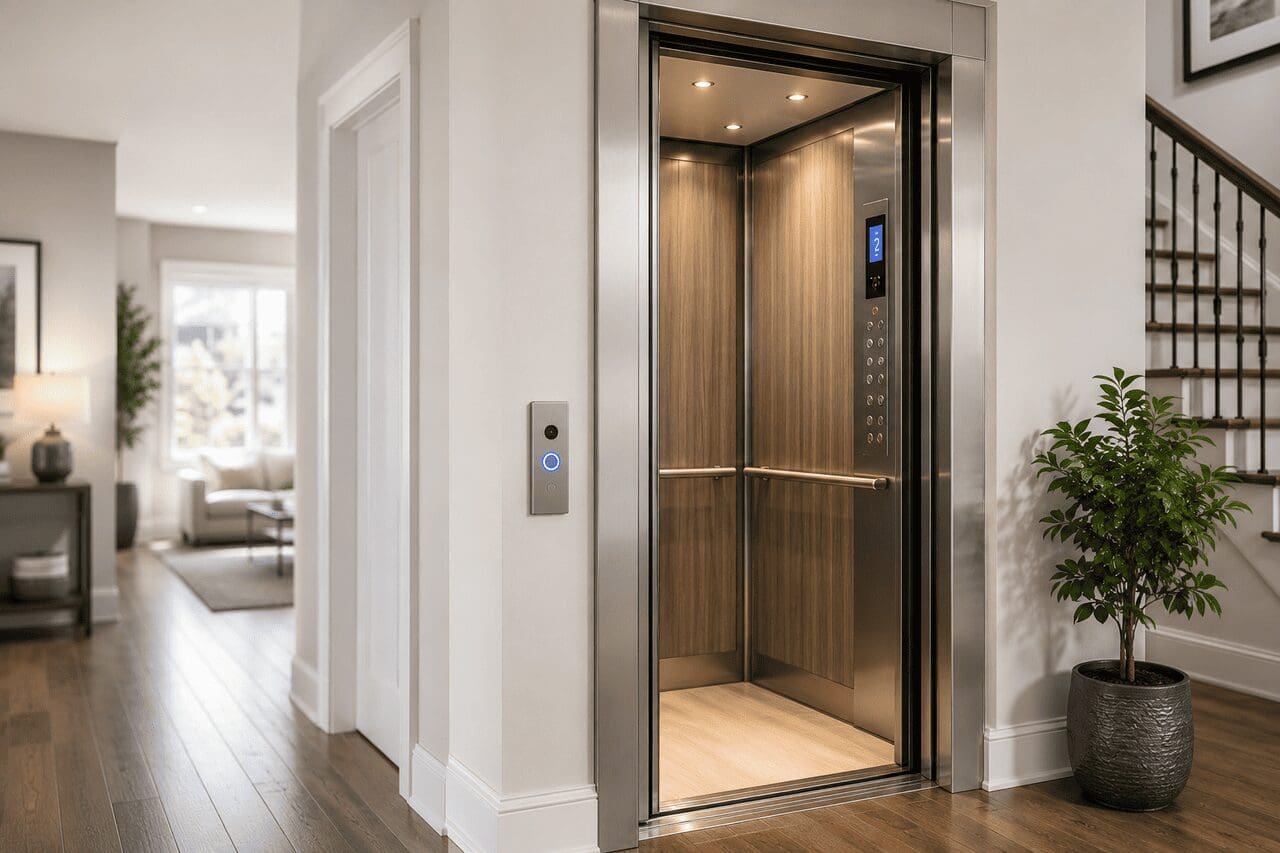
Home elevators have become an increasingly popular addition to homes throughout South Carolina and Georgia. Whether you’re planning for aging in place, improving accessibility, or adding convenience to a multi-story home, today’s residential elevators are designed with advanced safety features that provide confidence and peace of mind.
Modern home elevators are built to meet strict safety standards and include multiple systems that protect passengers during normal operation and unexpected situations. Understanding these safety features can help homeowners make informed decisions when purchasing a new elevator or evaluating an existing one.
In this guide, we’ll explain the most important home elevator safety features, how they work, and why professional installation and regular maintenance are essential for keeping your elevator operating safely for years to come.
Why Home Elevator Safety Matters
Residential elevators are engineered differently than commercial elevators. While they serve fewer passengers and operate at lower speeds, they are still sophisticated machines that require reliable safety systems.
Every quality home elevator includes multiple layers of protection that work together to help prevent accidents, equipment damage, and unexpected interruptions.
These features are especially important for:
- Seniors aging in place
- Individuals with mobility challenges
- Families with young children
- Multi-generational households
- Luxury homes with frequent elevator use
Choosing an elevator with modern safety technology ensures your investment remains dependable while protecting everyone who uses it.
Emergency Battery Backup
One of the most valuable safety features in a residential elevator is the battery backup system.
If your home loses electrical power during a storm or utility outage, the battery backup automatically activates. Rather than stopping between floors, the elevator safely travels to a designated landing where passengers can exit normally.
For homeowners living in coastal South Carolina and Georgia, where hurricanes and severe weather can occasionally interrupt power, battery backup provides an additional level of security and convenience.
Automatic Emergency Lowering
Many residential elevators include an automatic emergency lowering system.
If the elevator detects a loss of power or another operating issue, it automatically moves the cab to the nearest safe landing before unlocking the doors.
This feature minimizes the possibility of someone becoming stranded inside the elevator.
The exact operation varies by manufacturer, so it’s important to understand how your specific elevator model functions during your consultation.
Door Interlock Systems
Door interlocks are one of the most critical safety components in any residential elevator.
These mechanisms ensure that:
- The elevator cannot move unless every door is fully closed and locked.
- Landing doors cannot be opened unless the elevator is properly positioned at that floor.
Without door interlocks, elevator operation would present significant safety risks. Modern systems continuously monitor door status before allowing movement.
Obstruction Detection Sensors
Many home elevators include obstruction detection technology designed to protect passengers and property.
These sensors can detect objects or people in the doorway while the elevator is closing.
If an obstruction is detected, the doors immediately stop and reopen before attempting to close again.
This feature is particularly valuable for families with children, pets, or individuals using wheelchairs or walkers.
Emergency Stop Button
Every residential elevator should include an emergency stop button located inside the cab.
This allows passengers to immediately stop elevator movement if an unexpected situation occurs.
Although this feature is rarely needed, it provides another layer of control during unusual operating conditions.
Homeowners should familiarize themselves with its location and understand when it should be used.
Emergency Alarm and Communication Systems
Many residential elevators include an emergency alarm button or integrated communication device.
If assistance is needed, the alarm alerts others inside the home that someone requires help.
Some premium elevator models also offer communication systems that allow direct contact with another person, providing additional reassurance for homeowners who live alone.
Overspeed Governor
An overspeed governor is a mechanical safety device designed to monitor elevator speed.
If the elevator were ever to exceed its designed operating speed, the governor automatically activates the braking system to safely stop the elevator.
While modern residential elevators are highly reliable and overspeed situations are extremely rare, this system provides another important level of protection.
Final Limit Switches
Residential elevators include multiple limit switches that monitor travel throughout the elevator’s operation.
These switches help prevent the elevator from traveling beyond its intended limits.
If the elevator approaches the end of its travel path, the limit switches stop operation before damage can occur.
This protects both the equipment and passengers.
Smooth Start and Stop Technology
Modern home elevators are designed for comfort as well as safety.
Advanced drive systems provide:
- Gentle acceleration
- Smooth deceleration
- Reduced vibration
- Comfortable ride quality
Smooth operation reduces wear on elevator components while creating a better experience for every passenger.
This feature is especially beneficial for seniors and individuals with mobility limitations who may be more sensitive to sudden movement.
Non-Slip Flooring
The flooring inside the elevator cab also contributes to overall safety.
Many residential elevators feature durable, slip-resistant flooring materials that help reduce the chance of slips and falls.
Homeowners can often choose flooring options that complement their home’s interior while maintaining safe footing.
Interior Handrails
Handrails provide additional stability while entering, exiting, or riding inside the elevator.
They are particularly beneficial for:
- Older adults
- Individuals recovering from injuries
- Anyone with balance concerns
Even homeowners without mobility limitations often appreciate the added confidence that handrails provide.
LED Lighting
Bright interior lighting improves visibility and enhances passenger comfort.
Many residential elevators now feature energy-efficient LED lighting that offers several advantages:
- Long lifespan
- Low energy consumption
- Improved visibility
- Minimal heat production
Reliable lighting also helps passengers safely enter and exit the elevator at every floor.
Automatic Cab Lighting
Some elevator systems automatically turn interior lighting on when the elevator is in use and off after a period of inactivity.
This feature helps conserve energy while ensuring the cab is always illuminated when needed.
Safety During Power Outages
One of the most common questions homeowners ask is what happens if the electricity goes out while someone is using the elevator.
Modern residential elevators are specifically designed with this situation in mind.
Depending on the model, your elevator may include:
- Battery backup
- Automatic emergency lowering
- Emergency lighting
- Alarm systems
- Safe door release at a designated landing
These features work together to help passengers exit safely rather than remaining trapped inside the cab.
Why Professional Installation Matters
Even the most advanced safety features depend on proper installation.
Professional installation ensures:
- Equipment is correctly aligned.
- Safety devices are calibrated.
- Electrical systems meet code requirements.
- All manufacturer specifications are followed.
Experienced residential elevator installers also perform extensive testing before placing the elevator into service.
Regular Maintenance Protects Safety Systems
Safety features should be inspected regularly to ensure they continue operating properly.
Routine maintenance allows technicians to:
- Test emergency systems
- Inspect door interlocks
- Verify battery backup performance
- Check braking components
- Examine safety switches
- Identify worn parts before problems develop
Preventive maintenance helps keep your elevator operating safely while extending its service life.
Choosing a Residential Elevator with Modern Safety Features
When comparing home elevator options, ask your installer about the safety systems included with each model.
Important questions include:
- Does the elevator include battery backup?
- How does emergency lowering operate?
- What communication features are available?
- What type of door safety system is included?
- How often should safety features be inspected?
- Does the elevator meet current residential safety standards?
A knowledgeable elevator professional can explain these features and recommend the best solution for your home’s layout and your family’s needs.
Final Thoughts
Today’s residential elevators are safer, more reliable, and more technologically advanced than ever before. Features such as battery backup, emergency lowering, door interlocks, obstruction sensors, overspeed protection, and emergency communication systems all work together to create a safe and dependable experience.
Whether you’re installing your first home elevator or upgrading an existing system, understanding these safety features allows you to make an informed investment that supports comfort, accessibility, and long-term peace of mind.
If you’re considering a residential elevator in South Carolina or Georgia, working with an experienced local elevator company ensures your system is professionally installed, properly maintained, and equipped with the safety features that matter most.