
Home Elevator Emergency Preparedness: What Every Homeowner Should Know
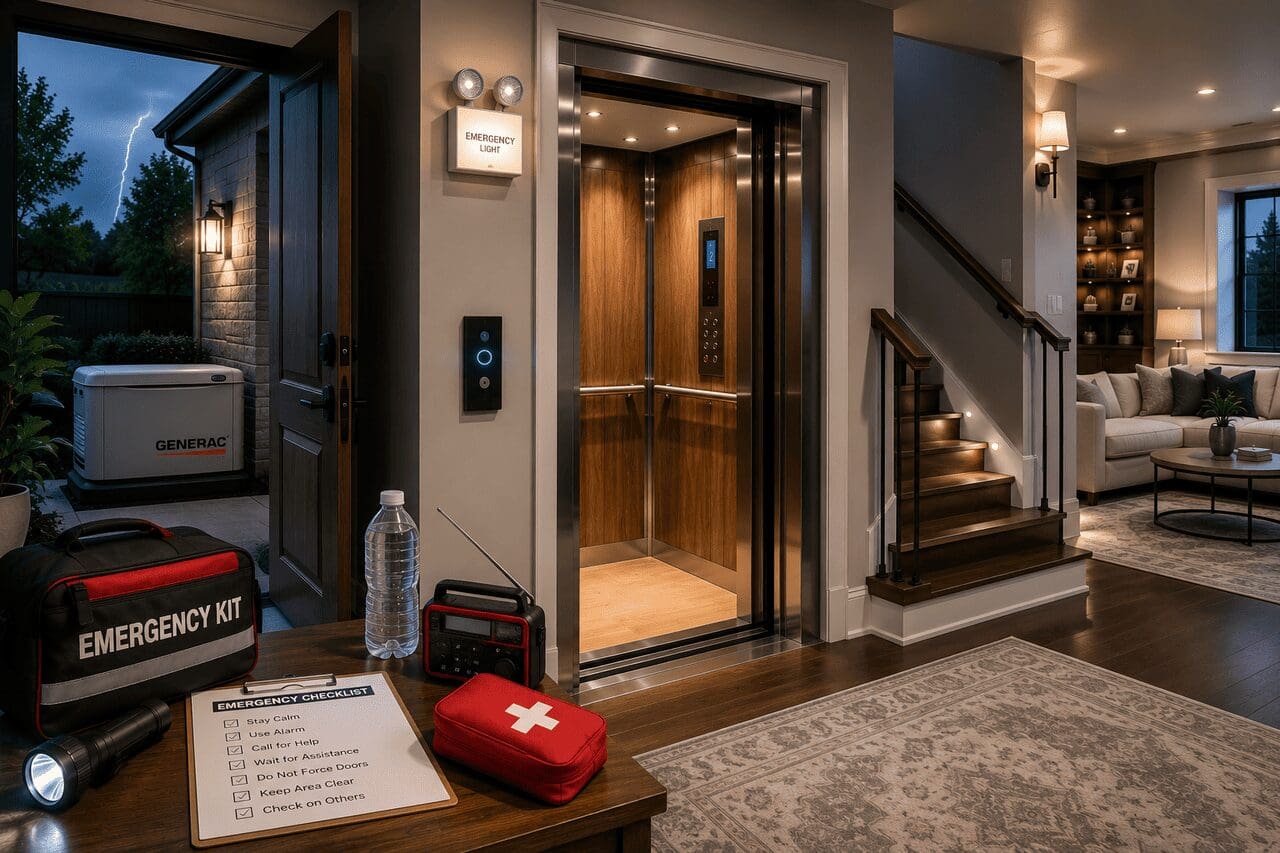
A residential elevator provides convenience, accessibility, and peace of mind, but like any mechanical system, it’s important to be prepared for unexpected situations. Power outages, severe weather, and mechanical issues are uncommon, yet knowing what to expect and how to respond can help keep your family safe while minimizing unnecessary stress.
Modern residential elevators are built with multiple safety features designed to protect passengers during emergencies. Combined with routine maintenance and a simple emergency preparedness plan, these systems provide homeowners with reliable performance year-round.
Whether you live in a custom home, a coastal property, or a multi-story residence in South Carolina or Georgia, this guide explains how to prepare for elevator emergencies and what every homeowner should know.
Why Every Homeowner Needs an Elevator Emergency Plan
Emergencies are unpredictable, but preparation makes all the difference.
While residential elevator incidents are rare, having a plan ensures everyone in your household knows how to respond if the elevator stops unexpectedly.
An emergency preparedness plan should include:
- Emergency contact numbers.
- Instructions for all household members.
- Backup lighting or flashlights nearby.
- Knowledge of emergency communication features.
- Scheduled elevator maintenance.
Having these simple steps in place can reduce panic and help everyone respond confidently if an issue occurs.
Understanding What Happens During a Power Outage
One of the most common concerns homeowners have is what happens if the electricity goes out while someone is using the elevator.
Fortunately, today’s residential elevators are designed with safety in mind.
Many modern systems include battery-powered emergency lowering features that automatically move the elevator to the nearest landing during a power outage. Once the cab reaches the landing, the doors unlock so passengers can exit safely.
Depending on your elevator model, features may include:
- Automatic emergency lowering.
- Battery backup systems.
- Emergency lighting.
- Door unlocking systems.
- Manual lowering procedures for trained professionals.
Not every elevator includes the same emergency equipment, which is why homeowners should become familiar with the specific features of their system during installation.
Safety Features Built Into Modern Residential Elevators
Residential elevators incorporate multiple layers of protection that operate automatically whenever needed.
These features are designed to help prevent accidents while providing a comfortable experience during everyday operation.
Common safety features include:
Emergency Alarm Button
Most elevators include an emergency alarm that alerts others inside the home if assistance is needed.
Emergency Stop Switch
This feature allows the elevator to stop safely if necessary.
Homeowners should only use this control when instructed by their elevator manufacturer or service provider.
Battery-Powered Cab Lighting
If household power is interrupted, emergency lighting helps keep the cab illuminated until passengers exit safely.
Door Interlocks
Residential elevators cannot move unless every door is securely closed and locked.
These interlocks prevent accidental operation with an open landing door.
Overspeed Safety Devices
Modern elevators continuously monitor travel speed.
If the system detects abnormal movement, built-in safety mechanisms immediately stop the elevator.
Smooth Start and Stop Technology
Today’s residential elevators accelerate and decelerate gradually, improving passenger comfort while reducing wear on mechanical components.
What to Do If Your Home Elevator Stops
Although unexpected stoppages are uncommon, remaining calm is the most important first step.
Residential elevators are designed to keep passengers safely inside until assistance is available.
If your elevator stops between floors:
Stay Calm
Avoid forcing doors open or attempting to exit the cab without professional guidance.
The elevator is designed to remain secure while waiting for assistance.
Use the Emergency Alarm or Phone
If your elevator includes an emergency communication device, use it to notify someone that assistance is needed.
If you have a mobile phone, call a family member or your elevator service provider.
Wait for Instructions
Never attempt to climb out of a stopped elevator.
Professional technicians have specialized training to safely return the elevator to normal operation.
Report the Incident
Even if the elevator begins working again afterward, schedule a professional inspection.
The service technician can identify the cause of the interruption and correct any underlying issues before they become larger problems.
Preparing for Hurricane Season and Severe Weather
For homeowners in South Carolina and Georgia, hurricane preparedness is an important part of protecting both the home and its elevator system.
Strong storms can bring:
- Extended power outages.
- Flooding.
- High humidity.
- Wind damage.
- Electrical interruptions.
Before hurricane season begins, homeowners should review their elevator’s emergency procedures and confirm that maintenance is up to date.
Additional preparation tips include:
- Test your home’s backup power system if applicable.
- Store emergency contact information in an easily accessible location.
- Keep flashlights and emergency supplies nearby.
- Secure loose outdoor items before severe weather.
- Schedule annual elevator maintenance before storm season begins.
Taking these proactive steps helps reduce the likelihood of unexpected problems during severe weather while ensuring your elevator remains ready for use when conditions return to normal.
Consider a Backup Power Solution
While many residential elevators include battery-powered emergency lowering systems, these features are designed to safely return passengers to a landing, not to provide extended elevator operation during prolonged outages.
If your area experiences frequent power interruptions, installing a whole-home backup generator can offer additional peace of mind.
A properly sized generator may allow essential household systems, including certain residential elevators, to continue operating during an outage, depending on your home’s electrical configuration and elevator specifications.
Discuss generator compatibility with both your elevator installer and electrician to ensure the system is designed correctly.
Educate Everyone in Your Household
Emergency preparedness works best when every family member understands what to do.
Take time to explain:
- How to operate the elevator properly.
- Where emergency buttons are located.
- What to do during a power outage.
- Who to contact if assistance is needed.
- Why forcing doors open is never safe.
Children, older adults, caregivers, and frequent guests should all understand the basics of safe elevator operation.
A few minutes of education can help prevent confusion if an unexpected situation occurs.
When Should You Call an Elevator Professional?
Not every elevator issue is an emergency, but every unusual symptom deserves attention. If your residential elevator begins behaving differently than normal, it’s best to schedule service before the problem worsens.
Contact a qualified elevator technician if you notice:
- The elevator stops between floors.
- Doors do not fully open or close.
- The elevator makes grinding, squeaking, or unusual noises.
- The cab shakes or moves unevenly.
- The elevator levels above or below the floor.
- Warning lights or error codes appear.
- Water enters the elevator equipment after heavy rain or flooding.
Never attempt to repair a residential elevator yourself. Modern elevators contain sophisticated electrical, mechanical, and safety systems that require specialized training and equipment.
Professional service not only restores normal operation but also ensures every safety device continues functioning as designed.
Preventive Maintenance Is Your Best Emergency Plan
The easiest way to avoid elevator emergencies is to prevent them before they happen.
Routine maintenance allows technicians to identify worn components, adjust moving parts, test safety devices, and replace aging components before they fail unexpectedly.
During a preventive maintenance visit, technicians typically inspect:
- Door interlocks
- Emergency alarm systems
- Battery backup equipment
- Guide rails
- Drive systems
- Control panels
- Electrical wiring
- Safety brakes
- Cab lighting
- Lubrication points
Preventive maintenance provides several important benefits:
- Reduces unexpected breakdowns.
- Improves passenger safety.
- Extends equipment life.
- Maintains smooth, quiet operation.
- Helps avoid costly emergency repairs.
Keeping up with scheduled maintenance is one of the most valuable investments homeowners can make in protecting their elevator.
Common Mistakes Homeowners Should Avoid
Knowing how to react during an elevator emergency is important, but avoiding common mistakes is equally critical.
Never Force the Doors Open
If the elevator stops unexpectedly, resist the urge to pry the doors open.
Residential elevators are equipped with door interlocks that help protect passengers. Attempting to override these systems can create dangerous conditions and may damage the elevator.
Never Try to Exit Between Floors
Even if the elevator appears close to a landing, do not attempt to climb out.
The safest place to remain is inside the elevator until it reaches a landing or a qualified technician assists.
Don’t Ignore Warning Signs
Many elevator problems begin with small symptoms such as:
- Slower travel speeds
- Minor vibration
- Inconsistent leveling
- Unusual sounds
- Intermittent door operation
Addressing these issues early often prevents larger repairs and unexpected outages.
Avoid Skipping Maintenance
Some homeowners assume their elevator doesn’t need service because it isn’t used frequently.
However, batteries age, components wear over time, and safety systems should be tested regularly regardless of usage.
Create an Elevator Emergency Checklist
Having a written emergency checklist helps everyone in your household know exactly what to do.
Include items such as:
- Stay calm.
- Press the emergency alarm if necessary.
- Use the communication system or a mobile phone.
- Never force doors open.
- Wait for professional assistance.
- Contact your elevator service company.
- Schedule an inspection after any unexpected shutdown.
Keep this checklist in an accessible location and review it with family members periodically.
Build an Emergency Contact List
Every home with a residential elevator should have important phone numbers readily available.
Your emergency contact list should include:
- Elevator service company
- Emergency maintenance number
- Electric utility provider
- Backup generator company, if applicable
- Trusted family members
- Property manager, if applicable
Store these contacts near the elevator, on household phones, and in everyone’s mobile devices.
Frequently Asked Questions
What should I do if my residential elevator stops?
Remain calm and stay inside the elevator. Use the emergency alarm or communication system if available, then contact your elevator service provider. Never attempt to force the doors open or exit between floors.
Are home elevators safe during power outages?
Yes. Many modern residential elevators include battery-powered emergency lowering systems that automatically move the cab to the nearest landing so passengers can exit safely.
Can I use my elevator during severe weather?
If severe weather, flooding, or electrical issues are affecting your home, follow your elevator manufacturer’s recommendations. After significant storms, have the elevator inspected if there is any concern about water or electrical damage.
Does a backup generator operate a residential elevator?
In many cases, yes. A properly sized whole-home generator may allow continued elevator operation during a power outage, depending on the elevator model and your home’s electrical system.
How often should a home elevator be serviced?
Most manufacturers recommend annual preventive maintenance. Homes with frequent elevator use may benefit from more frequent inspections.
Final Thoughts
Preparing for an elevator emergency doesn’t require extensive planning, but it does require awareness. Understanding how your residential elevator operates during power outages, severe weather, and unexpected interruptions gives you the confidence to respond safely if an issue ever arises.
Routine maintenance, modern safety features, and a clear household emergency plan work together to keep your elevator dependable throughout the year. Whether you’re aging in place, supporting a multi-generational household, or simply enjoying the convenience of a home elevator, being prepared helps protect both your investment and the people who use it every day.
Working with an experienced residential elevator company ensures your system receives expert maintenance, timely repairs, and professional guidance so it continues operating safely for years to come.