
Residential Elevator Warranty Guide: What’s Covered and What’s Not?
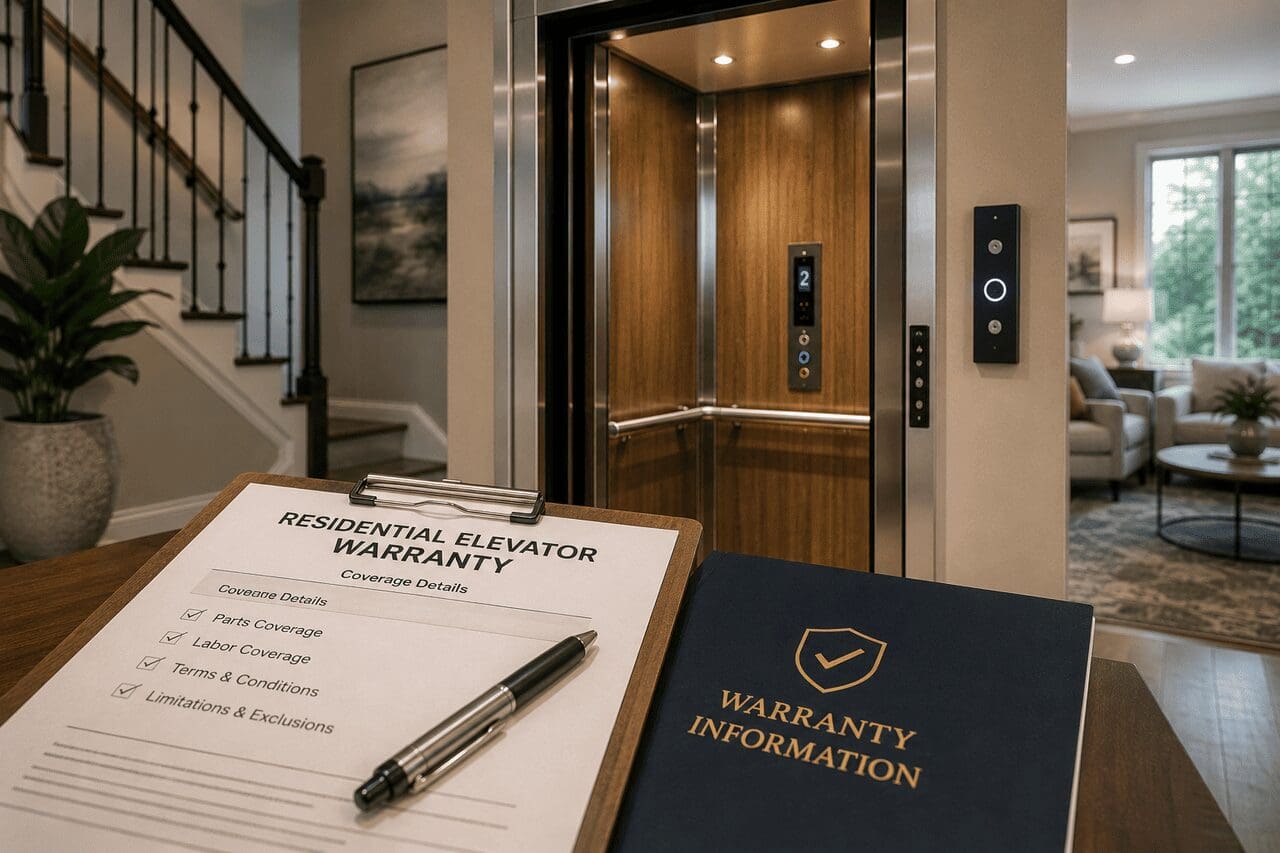
Installing a residential elevator is a significant investment that improves accessibility, convenience, and long-term property value. Like any major home improvement, it’s important to understand the warranty that comes with your new elevator. A warranty helps protect your investment by covering certain components and manufacturing defects, but it also comes with limitations and responsibilities for the homeowner.
Many homeowners assume every repair is covered under warranty, only to discover that maintenance, accidental damage, or normal wear and tear may not be included. Understanding your warranty before an issue occurs can help you avoid unexpected expenses and ensure your elevator continues operating safely for years to come.
In this guide, we’ll explain how residential elevator warranties work, what’s commonly covered, what usually isn’t, and how routine maintenance helps protect your warranty.
Why Residential Elevator Warranties Matter
A residential elevator consists of numerous mechanical, electrical, and electronic components that work together every day. While today’s home elevators are designed for reliability, no mechanical system is immune to occasional manufacturing defects or component failures.
A warranty provides peace of mind by helping cover eligible repairs during the warranty period.
Benefits of a residential elevator warranty include:
- Protection against manufacturing defects.
- Coverage for eligible replacement parts.
- Reduced repair expenses during the warranty period.
- Greater confidence in your investment.
- Added value when purchasing a professionally installed elevator.
Although warranties provide valuable protection, they are not intended to replace routine maintenance or cover every repair that may occur throughout the elevator’s lifespan.
Types of Residential Elevator Warranties
Not all warranties are the same. Depending on the manufacturer and installer, your elevator may include several different types of warranty coverage.
Manufacturer Warranty
The manufacturer typically covers defects in materials or workmanship for specific elevator components.
If an eligible component fails because of a manufacturing defect during the warranty period, the manufacturer may repair or replace the part according to the warranty terms.
Installation Warranty
Many professional elevator companies provide a separate workmanship warranty covering the quality of the installation.
This warranty generally applies if a problem results from improper installation rather than a defective component.
Component Warranties
Certain parts, such as motors, controllers, or drive systems, may carry separate warranty periods that differ from the overall elevator warranty.
Review your documentation carefully to understand which components have extended or limited coverage.
What’s Typically Covered?
While warranty coverage varies by manufacturer, many residential elevator warranties commonly include protection for defects in materials and workmanship.
Examples may include:
- Drive system components.
- Motors.
- Controllers.
- Electrical components.
- Factory-installed wiring.
- Mechanical assemblies.
- Manufacturing defects.
- Replacement of eligible defective parts.
If a covered component fails during normal use because of a manufacturing defect, repairs or replacement may be provided according to the warranty agreement.
Always review the specific warranty documentation supplied with your elevator, as coverage varies by manufacturer.
What’s Usually Not Covered?
Understanding exclusions is just as important as understanding coverage.
Many residential elevator warranties do not cover:
- Normal wear and tear.
- Cosmetic damage.
- Improper use.
- Overloading the elevator.
- Accidental damage.
- Water or flood damage.
- Storm-related electrical damage.
- Fire damage.
- Unauthorized repairs.
- Routine maintenance.
- Consumable items such as batteries after their specified coverage period.
In many cases, repairs resulting from neglected maintenance or improper operation become the homeowner’s responsibility.
Understanding these exclusions helps prevent surprises if service is needed.
How Routine Maintenance Protects Your Warranty
One of the most overlooked aspects of warranty coverage is the importance of preventive maintenance.
Many manufacturers require homeowners to follow recommended maintenance schedules throughout the warranty period.
Routine maintenance helps:
- Verify safety systems operate correctly.
- Identify worn parts early.
- Maintain proper elevator performance.
- Reduce unnecessary component wear.
- Document professional service history.
Keeping maintenance records also provides valuable documentation if a warranty claim is ever submitted.
Skipping scheduled service may affect warranty eligibility for certain repairs, depending on the manufacturer’s requirements.
Manufacturer Warranty vs. Installer Warranty
One area that often confuses homeowners is the difference between a manufacturer’s warranty and an installer’s warranty. Although both provide valuable protection, they typically cover different aspects of your residential elevator.
Manufacturer Warranty
A manufacturer’s warranty generally covers defects in materials or workmanship related to the elevator equipment itself.
For example, if a factory-installed component fails due to a manufacturing defect during the warranty period, the manufacturer may repair or replace the eligible part according to the warranty terms.
Manufacturer warranties commonly apply to:
- Motors
- Controllers
- Drive systems
- Factory-installed electrical components
- Mechanical assemblies
- Certain replacement parts
Coverage periods vary by manufacturer, so it’s important to review your warranty documentation carefully.
Installer Warranty
An installation warranty covers the workmanship involved in installing the elevator.
If an issue arises because the equipment was not installed according to manufacturer specifications or industry standards, the installing company may correct the problem under its workmanship warranty.
Examples may include:
- Improper alignment
- Installation-related adjustments
- Mounting issues
- Initial operational concerns caused by installation
Because installer warranties vary between companies, homeowners should ask what workmanship is covered and for how long before installation begins.
How to File a Residential Elevator Warranty Claim
If you believe your elevator has experienced a warranty-covered issue, following the proper steps can help the process move more efficiently.
Review Your Warranty Documentation
Before requesting service, review your warranty to determine whether the issue may be covered.
Pay attention to:
- Warranty period
- Covered components
- Exclusions
- Maintenance requirements
- Claim procedures
Contact Your Elevator Company
In many cases, your installer or authorized service provider should be your first point of contact.
Describe the issue clearly, including:
- When the problem began
- Any warning lights or error messages
- Unusual sounds or movement
- Recent power outages or severe weather events
Providing accurate information helps technicians diagnose the issue more efficiently.
Have Maintenance Records Available
If your manufacturer recommends routine maintenance, keeping service records can help demonstrate that the elevator has been properly maintained.
Documentation may include:
- Annual inspection reports
- Preventive maintenance invoices
- Service agreements
- Repair history
These records can simplify the warranty review process if questions arise.
Schedule Professional Service
Never attempt to repair warranty-covered equipment yourself.
Unauthorized repairs may affect warranty eligibility and could create additional safety concerns.
Tips for Protecting Your Residential Elevator Warranty
Taking a few proactive steps can help maximize the value of your warranty while reducing the likelihood of unexpected repairs.
Follow the Recommended Maintenance Schedule
Routine preventive maintenance is one of the most important ways to protect both your elevator and its warranty.
Professional inspections help verify that components continue operating safely while identifying potential issues before they become larger problems.
Use the Elevator Properly
Always follow the manufacturer’s operating guidelines.
Avoid:
- Exceeding weight capacity
- Blocking elevator doors
- Allowing children to operate the elevator without supervision
- Using the elevator for unintended purposes
Proper use helps minimize unnecessary wear and reduces the risk of damage.
Address Problems Promptly
Ignoring small issues can lead to larger failures that may not be covered under warranty.
If you notice unusual sounds, rough movement, or inconsistent door operation, schedule service as soon as possible.
Keep Warranty Documents in a Safe Place
Store copies of:
- Purchase paperwork
- Warranty certificates
- Maintenance records
- Installation documentation
- Service invoices
Having these documents readily available makes future service appointments and warranty claims much easier.
Frequently Asked Questions
How long does a residential elevator warranty last?
Warranty periods vary by manufacturer and installer. Some components may have different coverage periods than others, so review your warranty documentation for specific details.
Does routine maintenance come with the warranty?
In most cases, no. Routine preventive maintenance is typically considered a homeowner responsibility and is separate from warranty coverage.
Can I perform my own repairs?
No. Residential elevators should only be serviced by qualified technicians. Unauthorized repairs may void portions of the warranty and could compromise passenger safety.
Are batteries covered under warranty?
Coverage depends on the manufacturer and warranty terms. Certain batteries or other wear items may have shorter warranty periods than major elevator components.
What happens after the warranty expires?
Once the warranty period ends, homeowners are generally responsible for repair costs. Continuing with annual preventive maintenance helps reduce the likelihood of expensive repairs after warranty coverage expires.
Final Thoughts
A residential elevator warranty provides valuable protection, but understanding what is and isn’t covered is essential for avoiding unexpected expenses. Knowing the difference between manufacturer and installer warranties, keeping accurate maintenance records, and following recommended service schedules all help protect your investment.
Routine maintenance remains one of the most important responsibilities of home elevator ownership. Not only does it help preserve safe and reliable operation, but it can also support warranty eligibility throughout the coverage period.
Before purchasing a residential elevator, take time to review the warranty carefully and ask questions about coverage, exclusions, maintenance requirements, and service procedures. A clear understanding of your warranty today can provide greater confidence and fewer surprises in the years ahead.