
How Long Do Home Elevators Last?
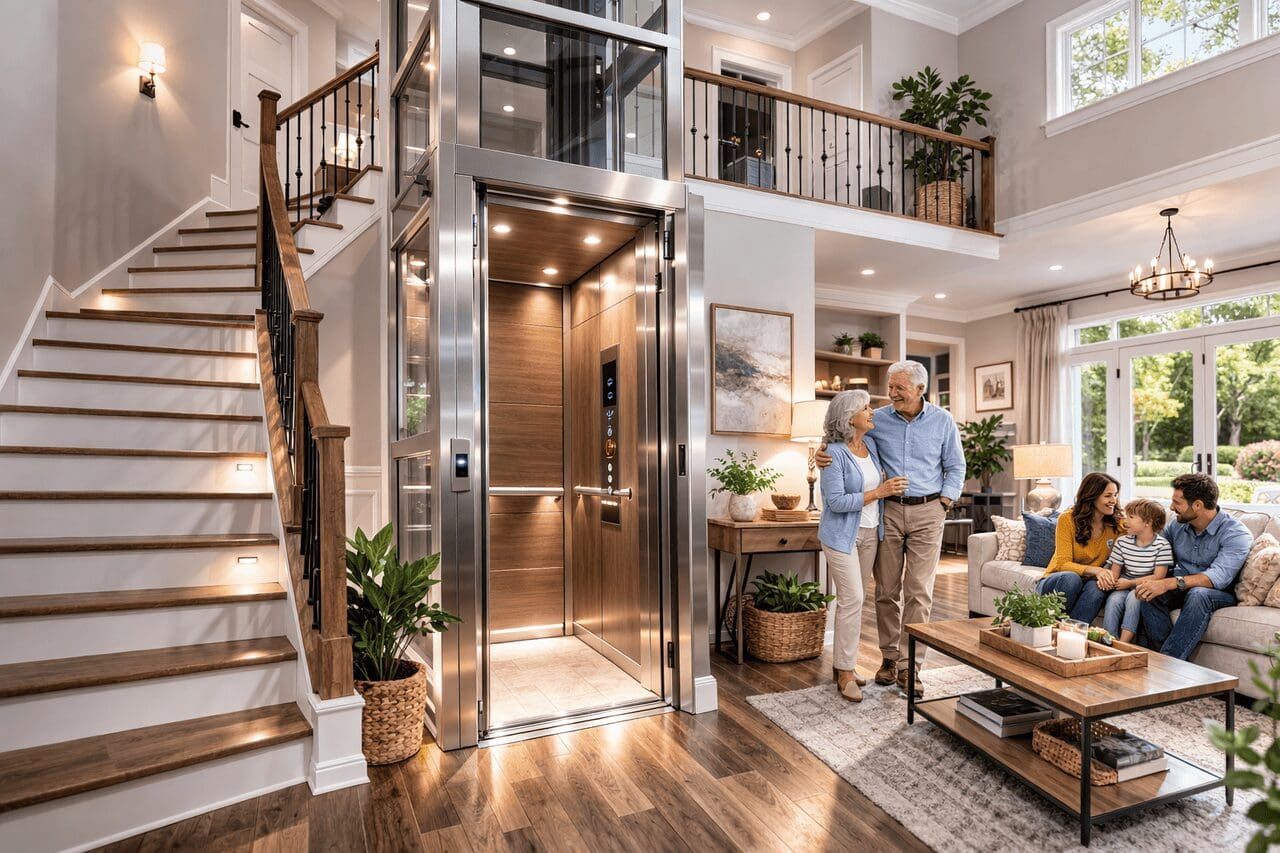
If you already have a residential elevator or are considering installing one, a common question is: How long do home elevators last?
A well-maintained home elevator can last 20 to 30 years or more. In many cases, the core structure lasts decades while components such as controls, motors, or cables may need upgrades along the way.
Understanding elevator lifespan helps you plan for Maintenance, Repairs & Service, and future Modernizations so your investment continues performing safely and reliably.
Average Lifespan of a Residential Elevator
Most residential elevators last:
- 20 to 30 years with proper Maintenance
- Longer with timely Modernizations
- Shorter if neglected or improperly serviced
The lifespan depends on the type of elevator system, frequency of use, environmental conditions, and quality of installation.
Homeowners in Bluffton, Beaufort, Savannah, Hilton Head, and Charleston often experience excellent longevity when elevators are professionally installed and regularly serviced.
What Affects the Lifespan of a Home Elevator?
Several factors influence how long your residential elevator will last.
1. Quality of Installation
Professional Installations are critical. Poor alignment, improper wiring, or incorrect shaft construction can shorten system life significantly.
A properly installed elevator starts with strong structural framing, precise calibration, and compliance with safety codes.
2. Frequency of Use
A home elevator used multiple times daily will naturally experience more wear than one used occasionally.
However, residential elevators are designed for consistent daily operation. Normal household use should not dramatically reduce lifespan when regular Maintenance is performed.
3. Routine Maintenance
Preventive Maintenance is the single biggest factor in longevity.
Annual or scheduled service helps:
- Lubricate moving parts
- Inspect cables and drive systems
- Test safety features
- Adjust leveling accuracy
- Identify minor issues early
Skipping Maintenance often leads to accelerated wear and costly breakdowns.
4. Environmental Conditions
Coastal humidity and salt air can impact mechanical and electrical components over time.
Homes near water in Hilton Head, Charleston, and Savannah may require extra attention to prevent corrosion and moisture-related wear.
Routine Maintenance becomes even more important in these environments.
5. Type of Elevator System
Different drive systems may have slightly different longevity characteristics.
Hydraulic systems are known for smooth operation and long-term reliability.
Winding drum systems can also last decades, but require proper cable inspection and adjustment.
Regardless of system type, Repairs & Service should be handled promptly to prevent minor issues from becoming major failures.
Signs Your Home Elevator May Be Aging
Even durable elevators show signs of age over time. Watch for:
- Slower start and stop movement
- Inconsistent floor leveling
- Unusual noises or vibrations
- Door alignment issues
- Outdated control panels
These signs do not necessarily mean replacement is required. Often, Modernizations can restore performance and extend lifespan significantly.
Repair vs Replace: How to Decide
When an elevator reaches 20 years or more, homeowners often ask whether to repair or replace.
Choose Repairs When:
- The core structure is solid
- Issues are isolated to specific components
- Costs are reasonable compared to full replacement
Consider Modernizations When:
- Controls are outdated
- Parts are becoming obsolete
- Safety upgrades are needed
- You want improved performance or aesthetics
Consider Replacement When:
- Structural components are failing
- Repair costs exceed reasonable value
- The system no longer meets safety expectations
A professional inspection helps determine the most cost-effective path forward.
How Modernizations Extend Elevator Life
Modernizations are often the smartest long-term investment.
Upgrades may include:
- New control systems
- Updated wiring
- Improved safety features
- Refreshed interior finishes
- Enhanced energy efficiency
These updates can add many additional years of safe operation without full system replacement.
How to Maximize Your Elevator’s Lifespan
To ensure your residential elevator lasts as long as possible:
- Schedule regular professional Maintenance
- Address Repairs & Service issues immediately
- Avoid overloading beyond rated capacity
- Keep the cab and doors clean and unobstructed
- Plan Modernizations before systems become obsolete
Small proactive steps dramatically reduce long-term costs.
Do Home Elevators Increase the Longevity of the Home Itself?
Yes. Beyond mechanical lifespan, elevators extend the livability of your home.
They allow:
- Aging in place safely
- Multi-generational living
- Reduced fall risk
- Increased resale appeal
In markets like Bluffton, Hilton Head, Charleston, Beaufort, and Savannah, accessibility features are becoming more desirable every year.
Final Thoughts
So, how long do home elevators last?
With professional Installations, consistent Maintenance, timely Repairs & Service, and strategic Modernizations, a residential elevator can serve your home for 20 to 30 years or longer.
The key is proactive care, not reactive repair.
If your elevator is aging or you are considering installing one, scheduling a professional evaluation is the best first step. A well-maintained elevator is not just a convenience. It is a long-term investment in safety, comfort, and home value.