
Hydraulic vs Winding Drum Elevators: Which Is Better for Your Home?
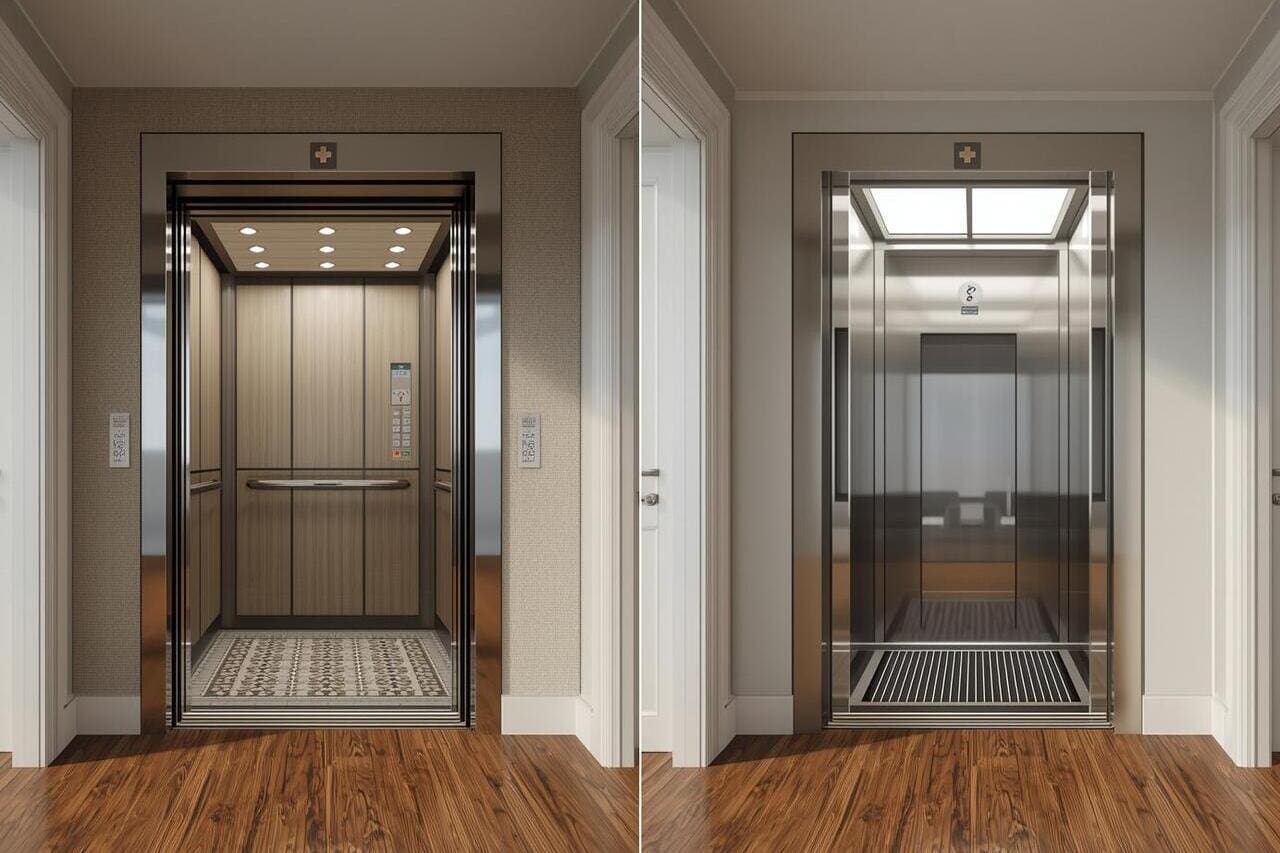
If you are considering a residential elevator, one of the first decisions you will face is choosing the right drive system. Two of the most common options are hydraulic elevators and winding drum elevators. Understanding the differences between these systems is essential before moving forward with installation.
Both types are reliable and widely used in homes throughout Bluffton, Beaufort, Savannah, Hilton Head, and Charleston. However, they operate differently, require different space considerations, and may vary in long-term maintenance needs.
This guide breaks down hydraulic vs winding drum elevators so you can make a confident and informed decision.
How Hydraulic Elevators Work
Hydraulic home elevators operate using a piston that moves inside a cylinder. A pump forces hydraulic fluid into the cylinder, pushing the elevator cab upward. When descending, the system slowly releases the fluid to lower the cab smoothly.
Advantages of Hydraulic Elevators
Smooth Ride
Hydraulic systems are known for exceptionally smooth and quiet operation.
Strong Lifting Power
They handle heavier loads comfortably, making them ideal for larger cab sizes.
Reliable Technology
Hydraulic systems have been used for decades and are proven in residential applications.
Good for Multi-Stop Homes
They perform well in homes with multiple floors.
Considerations
Machine Space
Traditional hydraulic elevators may require space for a small machine room or equipment area.
Slightly Higher Energy Use
Hydraulic systems may use more power compared to some alternatives.
How Winding Drum Elevators Work
Winding drum elevators use a motor that winds steel cables around a drum. As the drum turns, the cables raise or lower the elevator cab.
Advantages of Winding Drum Elevators
Compact Design
Winding drum systems often require less space, making them ideal for retrofit projects.
No Separate Machine Room
Many models integrate machinery within the shaft.
Cost Effective
They can sometimes be more affordable depending on the configuration.
Ideal for Existing Homes
Their compact footprint makes them a strong choice when adding an elevator to an existing home.
Considerations
Cable Maintenance
Because the system relies on cables, periodic inspection and adjustment are important.
Ride Feel
While still smooth, some homeowners feel hydraulic systems provide slightly softer travel.
Space Requirements Comparison
When comparing hydraulic vs winding drum elevators, space is one of the biggest deciding factors.
Hydraulic Elevators Typically Require:
- A shaft
- A small pit at the lowest level
- Overhead clearance
- Space for hydraulic equipment
Winding Drum Elevators Typically Require:
- A shaft
- Slightly less mechanical space
- Minimal external equipment
If your home has tight framing conditions, winding drum elevators may provide more flexibility. A professional installation team can evaluate your structure and recommend the best fit.
Maintenance Differences
Both systems require regular Maintenance to ensure safe operation and long lifespan.
Hydraulic Maintenance Includes:
- Monitoring hydraulic fluid levels
- Inspecting cylinders and seals
- Checking pump performance
Winding Drum Maintenance Includes:
- Inspecting cables for wear
- Checking drum alignment
- Monitoring motor function
Regardless of system type, scheduled Maintenance helps prevent breakdowns and ensures optimal performance. If issues arise, prompt Repairs & Service keep downtime minimal.
Noise Levels
Homeowners often ask about noise.
Hydraulic elevators are generally very quiet, with smooth starts and stops.
Winding drum elevators are also quiet, though some systems may produce a slight mechanical sound from the drum mechanism.
Modern residential elevators of both types are designed to operate discreetly in home environments.
Energy Efficiency
Hydraulic elevators use power primarily during upward travel.
Winding drum systems also consume power during lifting and use braking systems for descent.
Energy usage differences are usually minor for residential settings. If energy efficiency is a priority, discussing available options during Installations can help tailor the system to your goals.
Longevity and Modernizations
Both hydraulic and winding drum elevators can last many years with proper care.
Over time, components such as controls, motors, or drive systems may require upgrades. Modernizations can extend system life and improve safety features without full replacement.
Modernization options may include:
- Updated control panels
- New safety systems
- Improved ride performance
- Interior cab upgrades
Regular inspections help determine when Modernizations make sense.
Which Elevator Is Better for Your Home?
The answer depends on several factors:
Choose Hydraulic If:
- You want the smoothest possible ride
- You need higher weight capacity
- You have adequate mechanical space
Choose Winding Drum If:
- You are retrofitting an existing home
- Space is limited
- You prefer a compact system
Both systems are excellent residential elevator solutions when professionally installed and maintained.
Serving Homeowners Across the Region
Homeowners throughout Bluffton, Beaufort, Savannah, Hilton Head, and Charleston trust experienced elevator professionals to help them choose the right system for their home layout and long-term goals.
Whether you are planning a new installation or upgrading an existing lift, understanding the differences between hydraulic and winding drum elevators ensures you invest in the right technology.
Final Thoughts
Hydraulic vs winding drum elevators is not about which system is universally better. It is about which system is better for your specific home.
A consultation with a qualified residential elevator specialist can evaluate your structure, usage needs, and plans. From professional Installations to ongoing Maintenance, responsive Repairs & Service, and strategic Modernizations, choosing the right partner is just as important as choosing the right elevator type.
If you are ready to explore your options, schedule a consultation and take the next step toward a safer, more accessible home.