
How Often Should You Service a Residential Cargo Lift?
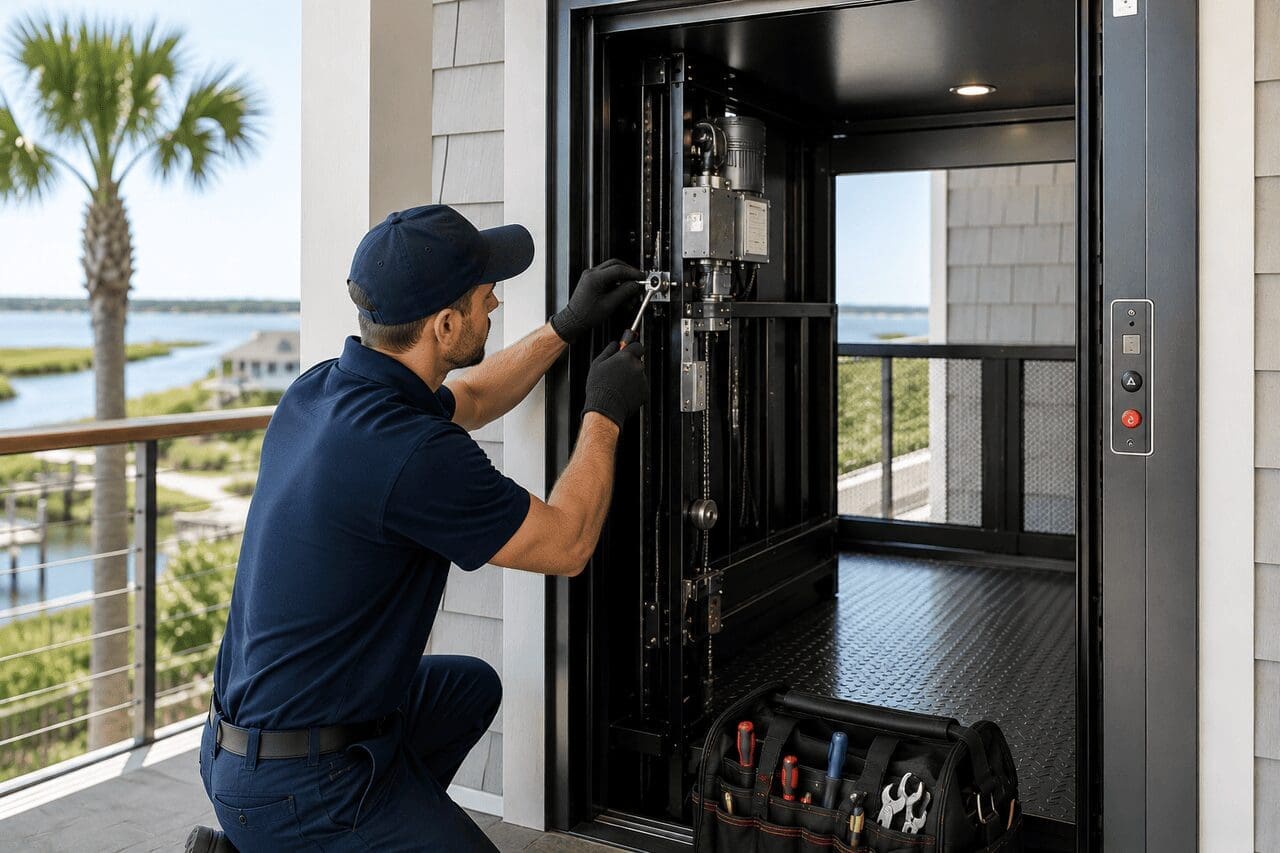
Residential cargo lifts make everyday life easier, especially in elevated homes, beach houses, and multi-story properties where carrying heavy items upstairs can become difficult and unsafe. Whether you use your lift for groceries, luggage, beach gear, storage bins, or household supplies, routine maintenance is critical for long-term performance and safety.
One of the most common questions homeowners ask is:
How often should a residential cargo lift be serviced?
The answer depends on several factors, including lift usage, installation location, environmental exposure, and manufacturer recommendations. However, most residential cargo lifts should receive professional service at least once or twice per year to ensure reliable operation and prevent expensive repairs.
At Elevator-Lift Systems, Inc., we provide professional residential cargo lift maintenance and repair services throughout Bluffton, Hilton Head, Beaufort, Charleston, Savannah, and surrounding coastal areas. Our team helps homeowners protect their investment with preventive maintenance designed specifically for coastal and elevated homes.
Why Residential Cargo Lift Maintenance Matters
A cargo lift may appear simple from the outside, but it contains multiple moving components that experience wear over time. Like any mechanical system, routine service keeps everything operating safely and efficiently.
Proper cargo lift maintenance helps:
- Extend equipment lifespan
- Reduce unexpected breakdowns
- Improve safety
- Prevent corrosion and weather damage
- Protect motors and drive systems
- Maintain lifting performance
- Reduce long-term repair costs
Without regular service, small issues can quickly turn into expensive mechanical failures.
This is especially important for:
- Outdoor cargo lifts
- Beach house cargo lifts
- Coastal home lift systems
- Frequently used residential lifts
Salt air, humidity, wind exposure, and moisture can accelerate wear in coastal environments if maintenance is neglected.
Recommended Cargo Lift Maintenance Schedule
Annual Service for Light Residential Use
For homeowners who use their cargo lift occasionally, annual service is typically sufficient.
This includes lifts used for:
- Groceries
- Seasonal luggage
- Household storage
- Light supplies
- Occasional guest use
An annual inspection helps identify developing issues before they become serious.
Twice-Yearly Service for Coastal Homes
For outdoor cargo lifts or beach house cargo lifts, twice-yearly service is strongly recommended.
Coastal conditions create additional stress on lift systems due to:
- Salt air corrosion
- High humidity
- Moisture intrusion
- Wind-blown debris
- Temperature fluctuations
Routine inspections help prevent corrosion-related failures that commonly affect outdoor lift systems near the coast.
This is especially important for homes in:
- Hilton Head Island
- Bluffton
- Beaufort
- Fripp Island
- Charleston
- Savannah
Quarterly Service for Heavy Usage
Some homeowners use cargo lifts daily, especially in:
- Vacation rental homes
- Large family homes
- Multi-generational properties
- Homes with frequent deliveries
- Elevated homes with multiple floors
Frequent use creates more wear on motors, cables, pulleys, switches, and electrical components.
For heavily used systems, quarterly inspections may be appropriate.
What Is Included in Residential Cargo Lift Maintenance?
Professional cargo lift maintenance involves much more than simply checking whether the lift runs.
A complete service visit typically includes inspection, lubrication, adjustment, testing, and safety verification.
Common Cargo Lift Maintenance Checklist
1. Motor and Drive System Inspection
Technicians inspect:
- Motor operation
- Drive components
- Gear systems
- Electrical connections
- Signs of overheating
- Abnormal noises or vibration
This helps prevent motor failure and operational issues.
2. Cable and Pulley Inspection
Lift cables experience constant tension and movement.
Technicians check for:
- Fraying
- Corrosion
- Uneven wear
- Loose connections
- Pulley alignment
Worn cables should be replaced immediately to maintain safe operation.
3. Platform and Gate Safety Checks
Cargo lift platforms and gates must operate properly to ensure safe loading and unloading.
Inspections include:
- Gate latches
- Platform stability
- Safety interlocks
- Weight distribution
- Structural integrity
4. Lubrication of Moving Components
Proper lubrication reduces wear and improves system efficiency.
Components requiring lubrication may include:
- Bearings
- Pulleys
- Hinges
- Tracks
- Drive assemblies
Without lubrication, friction increases mechanical wear.
5. Electrical System Testing
Electrical inspections verify:
- Control operation
- Switch functionality
- Emergency stop systems
- Wiring condition
- Weather protection
- Safety sensors
Outdoor cargo lifts often require additional moisture protection inspections.
6. Corrosion Inspection for Outdoor Cargo Lifts
For coastal installations, corrosion checks are essential.
Technicians inspect:
- Fasteners
- Frames
- Hardware
- Connectors
- Electrical boxes
- Protective coatings
Early corrosion treatment can significantly extend lift lifespan.
Signs Your Cargo Lift Needs Immediate Service
Even with regular maintenance, homeowners should watch for warning signs that indicate service may be needed sooner.
Unusual Noises
Grinding, squeaking, clicking, or vibration can indicate:
- Worn bearings
- Cable issues
- Pulley misalignment
- Motor problems
Slow Lift Operation
A cargo lift that moves slower than normal may have:
- Motor strain
- Electrical issues
- Drive wear
- Lubrication problems
Jerky or Uneven Movement
Uneven operation can indicate:
- Cable imbalance
- Track issues
- Mechanical wear
- Structural alignment problems
Rust or Corrosion
Visible corrosion should never be ignored, especially on outdoor lifts.
Salt air corrosion spreads quickly in coastal environments.
Electrical Problems
Warning signs include:
- Intermittent operation
- Non-responsive controls
- Tripped breakers
- Flickering indicators
- System shutdowns
Electrical problems should always be addressed by professionals.
How Coastal Environments Affect Cargo Lift Maintenance
Beach house cargo lifts require more frequent maintenance than inland systems because coastal conditions are extremely demanding on mechanical equipment.
Salt Air Corrosion
Salt particles in the air settle on metal surfaces and accelerate oxidation.
Without maintenance, corrosion can affect:
- Fasteners
- Cables
- Motors
- Frames
- Electrical systems
Moisture Exposure
Humidity and rain exposure increase the risk of:
- Rust
- Electrical shorts
- Water intrusion
- Component deterioration
Wind and Debris
Coastal winds can introduce sand, dirt, leaves, and debris into moving components.
Regular cleaning and inspection help prevent operational problems.
How Long Does a Residential Cargo Lift Last?
With proper maintenance, a residential cargo lift can often last 15 to 25 years or longer.
Lifespan depends on:
- Usage frequency
- Environmental conditions
- Installation quality
- Maintenance consistency
- Weight loads
- Component quality
Neglected systems often experience premature failure and costly repairs.
Preventive Maintenance vs Emergency Repairs
Many homeowners wait until something breaks before calling for service. Unfortunately, emergency repairs are usually far more expensive than preventive maintenance.
Preventive cargo lift maintenance helps:
- Catch small issues early
- Reduce downtime
- Avoid major failures
- Protect safety
- Lower long-term costs
Routine service is almost always more affordable than replacing motors, cables, or drive systems after failure occurs.
Should Homeowners Perform Cargo Lift Maintenance Themselves?
Homeowners can help maintain lift performance by:
- Keeping platforms clean
- Removing debris
- Watching for corrosion
- Reporting unusual noises
- Avoiding overloads
However, professional service should always handle:
- Electrical systems
- Cable adjustments
- Structural inspections
- Motor repairs
- Safety testing
- Mechanical servicing
Residential cargo lifts contain complex moving systems that require specialized knowledge.
Choosing the Right Cargo Lift Maintenance Company
When selecting a residential lift service provider, look for:
- Experience with residential cargo lifts
- Coastal environment expertise
- Licensed technicians
- Preventive maintenance programs
- Emergency repair availability
- Long-term service support
Not all elevator companies specialize in residential cargo lifts or outdoor coastal installations.
Residential Cargo Lift Maintenance in South Carolina & Georgia
At Elevator-Lift Systems, Inc., we provide professional cargo lift maintenance and repair services for homeowners throughout coastal South Carolina and Georgia.
We service:
- Bluffton
- Hilton Head Island
- Beaufort
- Fripp Island
- Charleston
- Savannah
Our team understands the unique maintenance challenges associated with coastal homes and elevated beach properties.
Why Homeowners Trust Elevator-Lift Systems, Inc.
Homeowners choose Elevator-Lift Systems, Inc. because we provide:
- Professional residential lift expertise
- Coastal installation experience
- Preventive maintenance programs
- Responsive service support
- Long-term reliability
- Customized lift solutions
We help homeowners protect their investment while ensuring safe, dependable operation year-round.
Schedule Residential Cargo Lift Service Today
Routine maintenance is the key to maximizing the life, safety, and reliability of your cargo lift system.
Whether you need annual service, preventive maintenance, repairs, or a complete inspection, Elevator-Lift Systems, Inc. is here to help.Contact our team today to schedule residential cargo lift maintenance in Bluffton, Hilton Head, Beaufort, Charleston, Savannah, or surrounding coastal communities.