
Preparing Your Home Elevator for Hurricane Season: A Coastal Homeowner’s Checklist
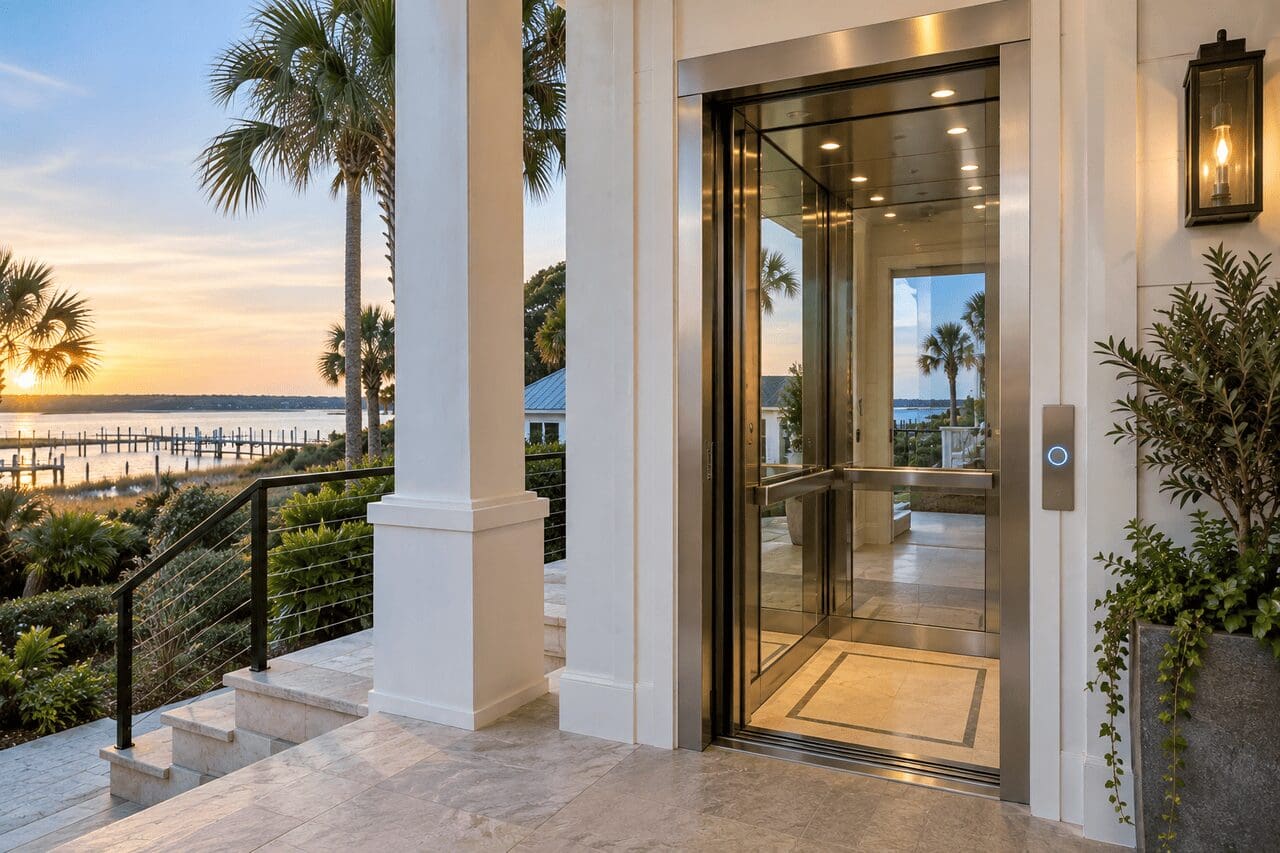
Living along the South Carolina or Georgia coast offers beautiful views, access to the water, and a lifestyle that attracts homeowners from across the country. It also means preparing your property for hurricane season.
Homeowners often think about storm shutters, generators, outdoor furniture, roofing, drainage, and flood protection when severe weather approaches. If your home has a residential elevator, however, that equipment should also be part of your hurricane preparation plan.
A home elevator contains electrical, mechanical, and safety-related components that can be affected by power outages, moisture, flooding, wind-driven rain, and other storm conditions. Elevated coastal homes can present additional considerations because the elevator may travel from a lower garage or entry level to living spaces several floors above.
Proper home elevator hurricane preparation can help protect equipment, reduce unnecessary damage, and make it easier to determine when the elevator is safe to return to normal service after severe weather.
For homeowners throughout coastal South Carolina and Georgia, here is what to consider before, during, and after a hurricane or major tropical storm.
Why Hurricane Preparation Matters for Residential Elevators
Residential elevators are designed to provide dependable vertical transportation within a home, but they still depend on electrical power and properly functioning mechanical and safety systems.
A hurricane can introduce conditions that are far outside normal operation.
Potential concerns include:
- Loss of electrical power
- Power surges and electrical disturbances
- Flooding
- Water intrusion
- Wind-driven rain
- Excessive moisture
- Damage to exterior portions of the home
- Debris
- Corrosion following saltwater exposure
- Damage to elevator-related electrical equipment
The risks vary considerably depending on the home’s location and elevator configuration.
A home near a tidal creek or marsh may have different exposure than a more protected inland property. Likewise, an elevator with equipment located near a garage or lower level may face different risks than equipment located higher within the structure.
The important point is to include the elevator in your overall hurricane planning rather than waiting until a storm has already arrived.
1. Schedule Elevator Maintenance Before Peak Hurricane Season
One of the best ways to prepare is also one of the simplest: keep your residential elevator professionally maintained.
Preventive maintenance allows a qualified elevator technician to evaluate the system under normal conditions and identify developing problems before severe weather complicates matters.
Depending on the equipment, an elevator maintenance visit may involve checking important mechanical and electrical components, door and gate operation, controls, leveling, general operating condition, and other manufacturer-specific items.
This is especially important for coastal properties.
Humidity and salt exposure can contribute to corrosion and deterioration over time. Problems may begin gradually and may not immediately affect elevator operation.
A professionally maintained system gives homeowners a better understanding of the elevator’s condition before hurricane season becomes active.
If your elevator is already making unusual noises, experiencing intermittent operation, having door or gate problems, or behaving differently than normal, do not wait for an approaching storm to schedule service.
2. Know Where Your Elevator Equipment Is Located
Homeowners should have a basic understanding of where important elevator equipment is located.
You do not need to know how to repair or adjust the system. In fact, elevator repairs and electrical work should be left to qualified professionals.
You should, however, know which areas of the home contain elevator-related equipment.
Depending on the elevator system, equipment may be associated with:
- A dedicated machine or equipment area
- The elevator hoistway
- Electrical controls
- Landing doors
- The elevator cab
- A pit or lower hoistway area
- Battery backup equipment, where applicable
Knowing these locations is particularly important if portions of your property are vulnerable to water intrusion.
If you are unsure about the configuration of your elevator, ask your elevator service provider during a routine maintenance visit.
3. Understand Your Property’s Water Exposure
Water is one of the most important concerns for mechanical and electrical equipment during a coastal storm.
This does not mean every Mount Pleasant, Kiawah Island, Seabrook Island, Fripp Island, Edisto Beach, St. Simons Island, or other coastal property faces the same risk. Exposure varies according to elevation, property location, building design, drainage, storm conditions, and the location of the elevator equipment.
Homeowners should understand whether elevator-related areas are located where water could potentially enter.
Pay particular attention to lower levels, garages, equipment areas, exterior openings, and other locations that may experience water intrusion.
Do not enter a flooded elevator pit, equipment area, or other potentially hazardous space to inspect equipment yourself.
Water and electrical systems are a dangerous combination. If elevator equipment has been exposed to water, professional evaluation should occur before normal operation resumes.
4. Keep Elevator Equipment Areas Clear
Hurricane preparation often involves moving outdoor furniture, decorations, grills, recreational equipment, and other belongings indoors.
Avoid placing these items in elevator equipment areas or blocking access to elevator-related components.
Elevator equipment spaces should remain clear and accessible.
This is good practice throughout the year, but it becomes particularly important before and after a major storm. If a technician needs to inspect the elevator following severe weather, unnecessary storage can make access more difficult.
Keep household items, boxes, tools, beach equipment, and storm supplies away from designated elevator equipment areas.
5. Review the Manufacturer’s Instructions and Your Service Provider’s Recommendations
Residential elevator systems vary.
There is no universal hurricane shutdown procedure that should be applied blindly to every home elevator.
Before storm season, review the owner’s information supplied with your elevator and discuss severe-weather procedures with your elevator service company.
Your specific elevator manufacturer or service provider may have recommendations concerning shutdown procedures, power, battery systems, cab position, or other equipment-specific considerations.
Follow the instructions that apply to your particular system.
Avoid relying on generic internet instructions that may have been written for a completely different elevator configuration.
6. Do Not Use the Elevator During Dangerous Storm Conditions
A home elevator should not become part of an evacuation plan during an active hurricane.
If authorities instruct residents to evacuate, follow official emergency guidance and leave before conditions become dangerous.
During severe weather, electrical power may fail unexpectedly. A person using an elevator at that moment could experience an interruption in service.
Conditions can also change rapidly during tropical systems.
Whenever possible, complete necessary movement between floors before severe conditions arrive and avoid unnecessary elevator use during the storm.
Household members with limited mobility should be included in the home’s emergency plan well in advance so that evacuation does not depend on elevator availability at the last moment.
7. Prepare for Power Outages
Power outages are common during hurricanes and tropical storms.
Because residential elevators depend on electrical power, homeowners should understand what happens to their particular system when utility power is interrupted.
Some equipment may include battery-supported features designed for specific functions during an outage. Capabilities vary by manufacturer and elevator model.
A backup feature should not be assumed to provide normal elevator operation for an extended outage.
Ask your elevator service provider:
- What happens when power fails?
- Does the elevator have battery-supported features?
- What are those features designed to do?
- How should the elevator be handled after power returns?
- Are there any procedures specific to the installed model?
Understanding this information before a storm is much better than trying to figure it out during an outage.
8. Be Careful With Generators and Backup Power
Many coastal homes have standby or portable generators.
Do not assume an elevator can simply be connected to any available backup power source.
Elevator equipment has specific electrical requirements, and improper power can damage equipment or create unsafe operating conditions.
If you want your residential elevator considered as part of a home’s generator system, discuss the requirements with the elevator contractor, electrician, generator professional, and other appropriate professionals before hurricane season.
The electrical design should be planned for the specific elevator and backup-power system.
This is especially important when building a new coastal home. Generator and elevator requirements can be coordinated during construction rather than addressed after the equipment has already been installed.
9. Protect the Home From Wind-Driven Rain and Water Intrusion
Your elevator is only one part of the building.
Protecting the surrounding structure can help protect equipment inside it.
Before a storm, homeowners should address appropriate building-preparation measures for windows, doors, exterior openings, drainage, roofing, and other vulnerable areas according to professional recommendations and local guidance.
For the elevator specifically, pay attention to nearby areas where water could potentially reach the hoistway or equipment.
Do not attempt improvised modifications to elevator doors, controls, electrical components, or safety equipment.
If you believe your elevator installation is unusually exposed to coastal weather, discuss the concern with a professional before storm season.
10. Keep Important Elevator Information Accessible
Storms can interrupt internet access, electrical power, and normal communication.
Keep important elevator information somewhere that can be accessed easily.
Useful records may include:
- Elevator manufacturer
- Model information
- Elevator service company
- Service phone number
- Recent maintenance records
- Repair history
- Warranty information
- Owner’s manual
- Relevant equipment information
If the property is a vacation or second home, make sure the property manager or caretaker also knows who to contact regarding the elevator.
Having this information readily available can save time after a storm.
11. What Should You Do if the Power Goes Out?
If electrical service is interrupted, remain cautious.
Do not attempt to open elevator equipment, bypass controls, or make electrical repairs yourself.
If someone becomes trapped in an elevator or there is an immediate safety emergency, follow the elevator’s emergency procedures and contact appropriate emergency assistance.
Once utility power has returned, do not automatically assume everything is normal if the property experienced flooding, electrical damage, a major surge, or other storm-related problems.
If there is reason to suspect the elevator was affected, have the equipment evaluated before returning it to regular use.
12. Never Operate an Elevator That May Have Flood Damage
If floodwater or significant water intrusion reached the elevator, hoistway, electrical equipment, controls, or related components, stop.
Do not test the elevator simply to see whether it still works.
An elevator that appears capable of moving may still have damaged electrical or mechanical components.
Water exposure can affect equipment in ways that are not immediately visible. Saltwater exposure can be especially concerning because salt can accelerate corrosion.
Contact a qualified elevator professional and explain what happened.
The technician can determine what needs to be inspected and whether repairs or replacement components are required.
13. Inspect the Surrounding Property After the Storm
Once local authorities indicate that it is safe to return or move around the property, inspect the home for obvious storm damage.
You can look for visible conditions around the elevator without opening or entering restricted equipment areas.
Watch for:
- Water near elevator entrances
- Signs of flooding
- Water stains
- Damaged walls or ceilings near the hoistway
- Broken windows nearby
- Wind-driven rain intrusion
- Unusual odors
- Visible debris
- Electrical problems elsewhere in the home
- Damage to exterior areas surrounding the installation
If you see anything concerning, leave the elevator out of service until it can be evaluated.
14. Pay Attention to Changes in Elevator Operation After a Storm
Even if there is no obvious flood damage, pay attention to how the elevator behaves following severe weather.
Potential warning signs include:
- New or unusual noises
- Rough travel
- Unusual vibration
- Delayed operation
- Door or gate problems
- Improper leveling
- Controls behaving differently
- Intermittent operation
- Unexpected shutdowns
- Burning or unusual electrical odors
Do not repeatedly operate an elevator that is showing abnormal behavior.
A professional inspection can help identify the cause.
15. Schedule Post-Storm Elevator Service When Appropriate
Not every tropical storm requires an elevator service visit.
However, professional inspection may be appropriate if the property experienced significant storm effects, including:
- Flooding
- Water intrusion near elevator equipment
- Saltwater exposure
- Electrical damage
- Extended power problems
- Lightning-related electrical concerns
- Structural damage near the hoistway
- Abnormal elevator operation after the storm
When contacting your elevator company, describe the conditions as accurately as possible.
Knowing whether water reached the equipment or whether the home experienced electrical or structural damage can help the service provider understand the situation.
Coastal Homes Require a Long-Term Maintenance Strategy
Hurricane preparation should not be viewed as a once-a-year activity.
Homes along the South Carolina and Georgia coast experience humidity, moisture, salt-laden air, and changing weather conditions throughout the year.
These factors can gradually affect mechanical equipment.
Regular preventive maintenance is therefore an important part of owning a coastal home elevator, even during years when the property is not directly affected by a hurricane.
A long-term maintenance strategy can help technicians identify developing corrosion, wear, operational changes, and other concerns before they lead to more significant problems.
This is particularly important for vacation and second homes where the elevator may sit unused for extended periods.
Hurricane Planning for Vacation and Second Homes
If you own a coastal property that is not occupied year-round, elevator hurricane planning deserves additional attention.
You may not be at the property when a storm threatens the area.
Consider establishing a plan with your property manager, caretaker, or other trusted local contact.
They should know:
- Who services the elevator
- Where relevant elevator information is stored
- Which areas around the elevator should remain clear
- What visible storm damage should be reported
- That flooded or damaged equipment should not be operated
- Who to contact before attempting to return a questionable elevator to service
Avoid asking an unqualified caretaker or property manager to repair, adjust, or open elevator equipment.
Their role should be limited to appropriate property management tasks and reporting potential problems to qualified professionals.
Hurricane Preparation for New Coastal Home Construction
Homeowners building a new coastal residence have an opportunity to consider severe weather before the elevator is installed.
The architect, builder, elevator contractor, electrician, and other professionals can discuss factors such as equipment location, water exposure, electrical requirements, backup-power planning, access for future service, and the overall design of the home.
The goal is not to make the elevator immune to severe weather. No mechanical system can eliminate every risk associated with a major hurricane.
Instead, thoughtful planning can reduce avoidable exposure and make long-term ownership and maintenance easier.
This is particularly relevant for custom homes in coastal communities where elevated construction, multiple living levels, waterfront exposure, and backup generators are common design considerations.
Home Elevator Hurricane Checklist
As hurricane season approaches, homeowners can use this basic checklist as a starting point:
Before hurricane season:
- Keep residential elevator maintenance current.
- Know your elevator manufacturer and model.
- Know who services the equipment.
- Understand where elevator equipment is located.
- Review manufacturer and service-provider recommendations.
- Discuss backup power before an emergency occurs.
- Keep equipment areas clear.
- Maintain accessible service and maintenance records.
- Include household members with mobility limitations in the home’s emergency plan.
When a storm is approaching:
- Follow official evacuation and emergency instructions.
- Complete necessary movement between floors before dangerous conditions arrive.
- Avoid unnecessary elevator use during severe weather.
- Follow equipment-specific shutdown or preparation instructions from the appropriate professional.
- Keep elevator equipment areas free of stored storm supplies.
- Do not make improvised electrical or mechanical changes.
After the storm:
- Do not operate equipment exposed to floodwater.
- Look for visible water or structural damage around the elevator.
- Be alert for electrical problems.
- Do not enter flooded equipment areas.
- Watch for unusual elevator operation.
- Contact a qualified elevator company when damage or abnormal operation is suspected.
- Have storm-affected equipment professionally evaluated before returning it to normal use.
Home Elevator Service for Coastal South Carolina and Georgia
Elevator-Lift Systems, Inc. has served homeowners throughout South Carolina and Georgia for more than 40 years.
Our team understands that residential elevators in coastal homes face considerations that can differ from equipment installed farther inland.
We provide residential elevator services including:
- Preventive maintenance
- Elevator repairs
- Residential elevator installation
- Elevator modernization
- Inspections
- Platform lifts
- Cargo lifts
- Stairlifts
- New construction coordination
We serve homeowners throughout coastal communities including Mount Pleasant, Kiawah Island, Seabrook Island, Fripp Island, Edisto Beach, St. Simons Island, and surrounding areas within our service territory.
Prepare Before the Next Storm
The best time to think about your residential elevator is before a hurricane is approaching the coast.
Routine maintenance, understanding your equipment, planning for power outages, protecting the surrounding property from water intrusion, and knowing when to call a professional can make storm preparation much more manageable.
If your home elevator is due for maintenance, has developed an operating problem, or may have been affected by severe weather, Elevator-Lift Systems, Inc. can help.
Contact Elevator-Lift Systems, Inc. to schedule residential elevator maintenance or service for your coastal home.