
What Happens During a Residential Elevator Modernization?
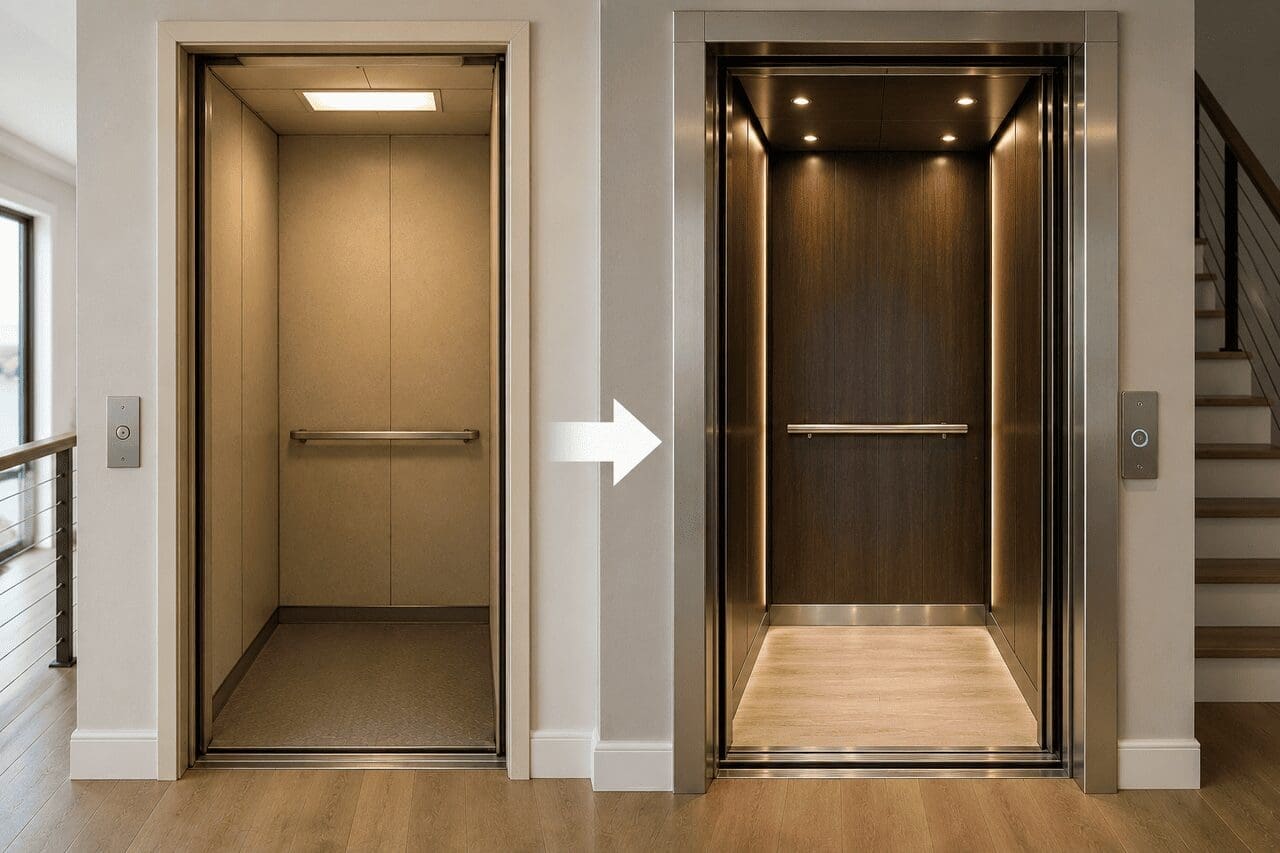
Residential elevators are designed to provide years of reliable performance, convenience, and accessibility. However, like any mechanical system, elevator components eventually wear out or become outdated over time. When this happens, homeowners often begin exploring residential elevator modernization.
Modernizing a home elevator improves safety, performance, appearance, and reliability without requiring a complete replacement. Whether your elevator is older, experiencing frequent issues, or simply lacking modern features, modernization can extend the life of your system while improving everyday operation.
Homeowners in Bluffton, Beaufort, Savannah, Hilton Head, and Charleston are increasingly investing in elevator modernizations to improve both functionality and home value.
In this guide, we will explain what happens during a residential elevator modernization, which components are upgraded, and when it may be the right time to modernize your system.
What Is Residential Elevator Modernization?
Residential elevator modernization involves upgrading or replacing key components of an existing elevator system to improve safety, efficiency, and performance.
Instead of replacing the entire elevator, modernization focuses on improving critical systems such as:
- Controls
- Motors
- Drive systems
- Safety features
- Electrical components
- Interior finishes
Modernization is often more cost-effective than full replacement while delivering many of the same benefits.
To learn more about available systems, visit our Residential Elevators page.
Why Homeowners Modernize Residential Elevators
There are several reasons homeowners choose to modernize their elevators.
Aging Equipment
Older elevator systems naturally experience wear over time. Components may become less reliable or harder to service.
Modernization replaces outdated equipment with newer technology designed for better long-term performance.
Frequent Repairs
If your elevator requires repeated Repairs & Service, modernization may reduce ongoing repair costs by replacing worn components.
Improved Safety
Modern elevator systems include updated safety technologies that may not exist in older systems.
Safety improvements can include:
- Updated controls
- Improved braking systems
- Emergency communication systems
- Better leveling accuracy
Better Performance
Modernized elevators often provide:
- Smoother rides
- Faster response times
- Quieter operation
- Improved efficiency
Enhanced Appearance
Many homeowners modernize their elevator interiors to better match updated home designs.
Interior upgrades may include:
- New wall panels
- Updated lighting
- Modern flooring
- Custom finishes
Signs Your Elevator May Need Modernization
Several warning signs indicate it may be time to modernize your residential elevator.
Frequent Breakdowns
Repeated service calls often indicate aging components.
Slow or Jerky Operation
Older drive systems may struggle to provide smooth performance.
Outdated Controls
Older control systems may become unreliable or difficult to repair.
Increased Maintenance Costs
If repair costs continue increasing, modernization may be the better long term solution.
Difficulty Finding Replacement Parts
Some older elevator systems use discontinued components that are difficult to source.
What Components Are Typically Modernized?
Residential elevator modernization can involve several different upgrades depending on the condition of the system.
Control System Upgrades
The control system acts as the elevator’s central operating system.
Modern controls improve:
- Reliability
- Efficiency
- Safety
- Ride quality
Updated controls also make diagnostics and servicing easier.
Motor and Drive System Replacement
The motor powers the elevator and is one of the most important components.
Modern drive systems provide:
- Quieter operation
- Better energy efficiency
- Smoother movement
- Improved reliability
Door and Gate Improvements
Modern door systems improve both safety and appearance.
Upgrades may include:
- Automatic gate systems
- Improved safety sensors
- Better alignment mechanisms
Safety System Enhancements
Safety is one of the biggest reasons homeowners modernize elevators.
Common safety upgrades include:
- Emergency stop systems
- Backup battery systems
- Enhanced braking technology
- Updated electrical protection
Routine Maintenance helps ensure these systems continue operating properly after modernization.
Elevator Interior Renovations
Many homeowners choose to update the appearance of the elevator cab during modernization.
Popular upgrades include:
- New wall finishes
- Decorative lighting
- Updated flooring
- Handrails
- Modern control panels
These updates improve both appearance and home value.
How Long Does Elevator Modernization Take?
The timeline depends on the scope of the project.
Typical residential elevator modernization projects may take:
- Minor upgrades: a few days
- Moderate modernizations: 1 to 2 weeks
- Full modernization projects: several weeks
The timeline depends on:
- System condition
- Component availability
- Scope of upgrades
- Structural modifications
A professional evaluation provides the most accurate timeline estimate.
Is Modernization Better Than Replacement?
In many cases, yes.
Modernization is often the preferred option when:
- The elevator structure is still in good condition
- Only certain components are outdated
- Homeowners want lower costs
- The system still meets space requirements
Full replacement may only be necessary if the system is severely outdated or structurally compromised.
Benefits of Residential Elevator Modernization
Modernization provides several major benefits.
Improved Reliability
Replacing aging components reduces breakdowns and service interruptions.
Better Safety
Modern safety systems improve protection and code compliance.
Lower Long Term Costs
Modernized systems often require fewer repairs and less maintenance.
Increased Home Value
An updated residential elevator can improve property appeal and functionality.
Better Energy Efficiency
Newer systems typically consume less energy than older equipment.
Modernization for Coastal Homes
Homes in Bluffton, Beaufort, Savannah, Hilton Head, and Charleston often experience additional wear due to coastal conditions.
Humidity and salt air can affect:
- Electrical systems
- Motors
- Metal components
- Control panels
Modernization allows homeowners to replace worn coastal-exposed components with more durable, weather-resistant solutions.
The Importance of Professional Installation
Residential elevator modernization should always be handled by experienced professionals.
A qualified installation and modernization team ensures:
- Proper system integration
- Safe operation
- Code compliance
- Reliable performance
Improper upgrades can create safety risks and operational problems.
Maintenance After Modernization
Even after modernization, ongoing Maintenance remains essential.
Routine service helps:
- Protect upgraded components
- Maintain performance
- Extend system lifespan
- Prevent future issues
Proper maintenance ensures homeowners receive the maximum benefit from their modernization investment.
Choosing the Right Elevator Modernization Company
When selecting a modernization provider, look for:
- Residential elevator experience
- Modernization expertise
- Coastal environment knowledge
- Long-term service support
- Professional installation capabilities
Not every elevator company specializes in residential modernization projects.
Serving Homeowners Across Coastal Areas
Homeowners across Bluffton, Beaufort, Savannah, Hilton Head, and Charleston trust professional elevator modernization services to improve safety, reliability, and long term performance.
Whether your system needs updated controls, new safety features, or a complete modernization, experienced professionals can help extend the life of your elevator.
Final Thoughts
Residential elevator modernization is one of the most effective ways to improve the safety, reliability, and performance of your existing system without replacing the entire elevator.
Upgrading outdated components helps reduce repairs, improve ride quality, and increase long-term value for your home.
If your elevator is aging, experiencing frequent problems, or lacking modern safety features, modernization may be the ideal solution.
Working with experienced professionals ensures your upgraded system operates safely and efficiently for years to come.